
Did you know that Intuition is a sense like touch, hearing, sight or taste? Science is now acknowledging intuition as one of our senses. There are primary senses and then secondary senses and intuition is among the secondary senses. Scientific studies have been performed and “gut feeling,” is now being noted as an intuitive experience because a second brain exists inside our guts! And when we experience “gut feelings,” what we are actually experiencing is our second brain communicating with us.
HEARING OUR SECOND BRAIN
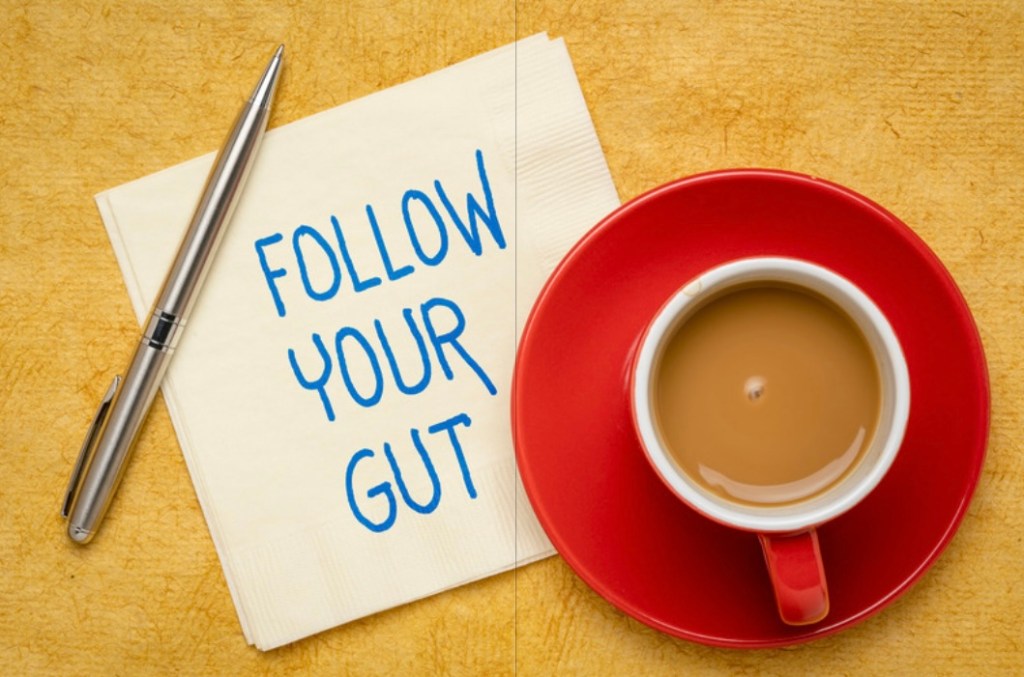
Do you ever get gut feelings or hunches? Do you ever fee drawn toward something even when you can’t explain it? The reason for this is that our feelings are how our internal guidance system communicates with us. In the case of our guts, that brain has not been developed in the way that our first brain has. To connect with our second brain requires us connecting with our feelings and inner-happenings. The more we develop our self-connection, the better we get at hearing our second brain and perceiving what that brain is trying to say to us. If we want to discover what is best for us, the best way is by tuning in to ourselves and learning how to listen. That’s why a lot of experts will say that it is best to use both our intuition and logical brain to make decisions. When we use both brains, we have double the thinking power!
CROSSROADS

Oftentimes how we become acquainted with our feelings and senses is through life crossroads. Moments in our lives when we have to decide between two big decisions. it is our desire to choose “right” that propels us inward. During these times, we have to sit with ourselves and reflect. Usually we need time and quiet to do this. Sometimes we will wait for days for “inspiration” or “answers” to come to help us with our decision. What is happening when we do this is we are seeking to access our intuition or inner-guidance system to help us “know” what decision is right. If we make the conscious choice to practice this before big crossroad events happen, we will become so good at hearing our internal guidance system that we will usually know what the right choice is. While we may still have to take time to reflect and weigh the options, our intuition will become so sharpened that we will be able to use it much the same as we use our other senses.
BEGINNING THE INNER-JOURNEY

Investing in developing our second brain, our intuition and our self-connection before we get to these crossroads will help us in the future. Becoming a feeling being after being a thinking being for so long can feel awkward. We may feel uncoordinated with the entire process. This is normal because when we are so used to using our brain to do all the thinking and decision making and then suddenly we shift to emotional connection obviously there’s going to be a learning curve!
USING PAST PAIN AS A REFERENCE
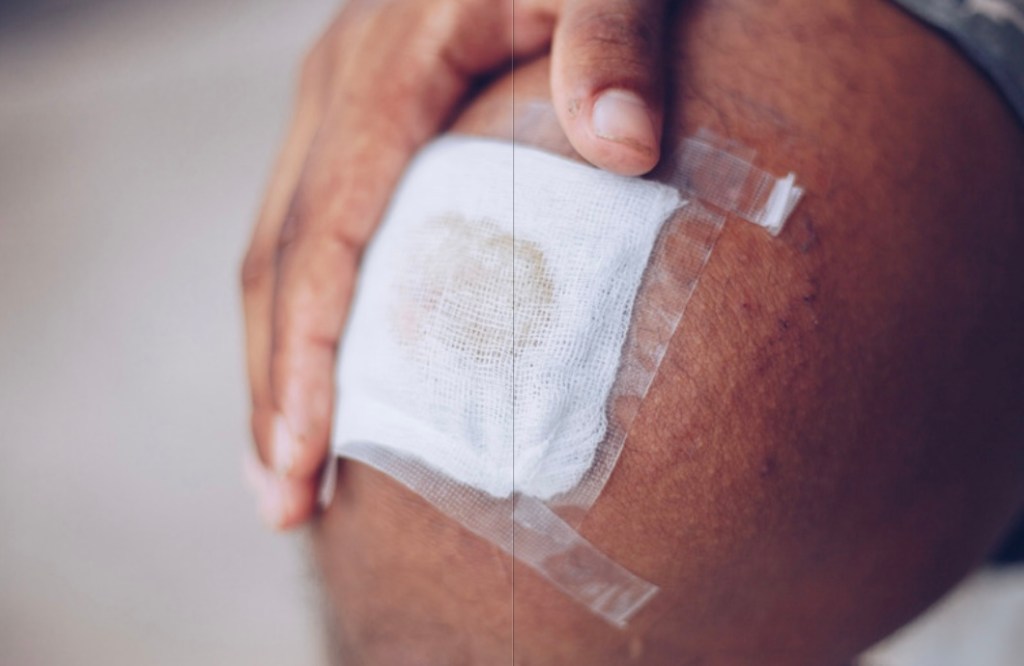
If you’ve ever gotten a cut or wound you have some practice connecting to your physical body. The pain drew your focus toward the injury. This is a helpful experience to begin the feeling journey. To begin, start by focusing your attention on a part of your body much the same as you did when you had that injury. Allow yourself to feel the sensations in that area. Perhaps you feel the blood rushing through your veins? Maybe you feel the sensation of your heart beating? Whatever it is, focus only on the feeling there. Let your brain go blank and shift all your attention away from your mind to the one area you are focusing on. See how long you can stay focused on that area before your brain tugs you away from it. Feel this experience of tug of war happening as you attempt to chime in to your body sensations. Can you see how powerful your mind is? And can you see how disconnected you are from feeling? The more that we practice body awareness and connection, the easier it becomes, the more we will want to do it. To give you a point of reference, I have been practicing this for so long that I actually have to engage my brain during decision making. Healing required me getting out of my head and into my body. Once inside my body, I discovered that there was no reason to be in my head. My head was simply a resource that I used when I needed to problem solve. And so now, my body is the captain of the ship 99% of the time as opposed to my brain being captain before.
LISTENING TO OUR PAIN

In moments of distress or emotional pain, we have an opportunity to feel our body and sensations in a heightened way. The sensations are more intense so it’s actually easier to focus on the feelings during this time. Pay attention to your breathing. Does it get more rapid? Slower? What sensations do you notice in your body? Do you feel cold or hot? Are you trembling or shaking? Each of these feelings has something to teach you. If you feel cold, you are likely afraid. Hot, likely angry. (Think about the phrases “having cold feet” or “hot temper”). Try to breathe into the feelings without judgment. Allow, don’t embrace. If your muscles feel tense try to surrender to them and see if they relax. As they relax can you feel any other resistance within you? Is your brain tugging you into a negative thought spiral? Try to shift back to the part of your body you are focused on. Try to tune out your brain and keep yourself out of your brain and in your body as long as possible. Let yourself be present in your emotions. If you need to cry, cry. If you need to punch a pillow, punch a pillow. When we stay present and don’t resist, the feelings can pass through us and our body will naturally calm itself. Absent the brain’s constant negative thought spirals involved, the body will naturally soothe itself and return to baseline. When we engage this process, we discover just how powerful our brains and minds are–that SO much of the suffering, overwhelm and stress we experience happens at the thinking and belief level. Our brains LOVE to tell us stories and since we have been conditioned since babyhood to listen to stories, we are hardwired to trust our brains. Having the courage to trust our feelings enables us to deconstruct the negative thought patterns and reconstruct our brain in a way that serves us.
FINDING THE COURAGE TO TRUST OUR INTUITION

Our intuition has much wisdom to teach us. Our feelings know everything about us. They’ve been with us since the beginning. Everything that’s happened to us is written in the code of our emotions. It’s all there. Even things we cannot remember. When we are triggered, that triggering is often happening from things that happened long ago. If we try to gauge with our brain what is happening, we will often fall short. However, when we connect to our feelings and emotions and learn how to connect to our body and feel the sensations, we gain access to our earliest memories via our feelings. While we may not know what the cause of our triggers is, our feelings do and they are not asking us to sort it all out, they are simply asking us to FEEL. That’s our only job. You see, we have been conditioned to think. We are sent to school and taught to use our minds to do all the sorting. I do not ever remember a time when I sat in a classroom and my teacher invited us to connect to our body sensations and become acquainted with our feeling self. Part of the self-discovery journey is this learning. We must learn, as if we are tiny children, how to connect to our bodies, learn what the sensations mean and develop our intuitive sense. If we have the courage to do this important work, we will become at one with our intuition and then our intuition can become a resource we can depend on in any circumstance.
TRUSTING YOURSELF

As our intuition becomes sharpened, we begin to have more “gut feeling” experiences. We find ourselves “knowing” more things even though we cannot really explain how we know. Life begins to become more synchronistic. More coincidences happen. Answers to questions seem to arrive sooner. And we find decision making easier. When we trust this process without resistance and believe in our intuition, magical things begin to happen. The biggest of all is that we no longer feel alone. No matter the circumstance, no matter the problem, we have a trusted friend by our side who has more wisdom and maturity than us. I like to liken my intuition to a super confident friend. You know the type, that one person who no matter the circumstance is never afraid, always willing to confront whatever comes up and exudes self-assurance? As we progress on this journey, we will feel our intuition heightening. We’ll learn its communication so well that we will actually feel like our intuition is speaking to us.
KNOWING WHEN WE ARE READY TO TRUST OUR INTUITION

Once we develop our ability to connect with our body and feelings and hone our intuition, we will know when we are ready to trust our intuition. This is not something that I can tell you when you are ready or if you should trust your gut. Part of using our intuition is so that we can develop our abilities to “know” and to “trust.” Once we can trust our intuition, we do not need to ask anyone if we should trust our gut or not because we will already know. So if you are in a place in your life where you are wondering if you should trust your gut or not, I encourage you to give this self-discovery journey a try and see if it helps. Regardless, something that I read once has repeatedly helped me on my own journey. Sometimes when we make a wrong choice, that wrong choice guides us to the right choice. And so, knowing that we can always change course, shift gears and get another choice helps us to proceed no matter where we are on our journey.
Much Love!

 Self Discoverly
Amazing!!!
LikeLiked by 1 person
Gonna share with my wife
LikeLiked by 1 person