I am someone on a path of self-discovery which I began over 10 years ago! After learning so much and watching myself grow and change from that learning, I felt inspired to start this blog! I am passionate about all things emotional, spiritual, self-growth, learning, inspiration and motivation! I love to teach and have been teaching over 30 years! Self-Discoverly combines my love for inspiring others and teaching with the goal of connecting with like-minded people!
To know ourself is to understand all the parts that make up the whole of ourselves. When it’s time to self-care, are we only looking at our nutrition, hygiene, exercise routine, sleep schedule or are we also looking at how well we love ourselves, are kind to ourselves and give ourselves the same level of respect and attention we give to others? Only when we take the time to really self-reflect and meditate on these things are we able to see what’s true about ourselves and our life. Where you leave a box unchecked, I invite you to explore how you can make those things a priority in your life. After all, this is YOUR life and you DESERVE to have it be the BEST!
Much Love!!
SELF-DISCOVERY CHECKLIST
Clarity of meaning in life []
Clarity of purpose in life []
Clarity of direction in life []
Self-understanding []
Focus, concentration []
Intellectual understanding of emotions []
Clarity of your ideal lifestyle []
Time management skills []
Task initiation skills []
Self-directed []
Self-propelling []
Self-initiating []
Self-disciplined []
Self-promoting []
Work ethic []
Ability to maintain predictability []
Ability to shift mindset []
Ability to identify blocks & obstacles []
Ability to problem solve solutions []
Ability to identify emotions []
Ability to assess energy input/output []
Ability to acknowledge emotions []
Ability to gauge your skills and tools []
Ability to increase your skills and tools []
Ability to identify own behavior patterns []
Impulse control, temperance []
Clarity of personal values []
Resourcefulness []
Creativity []
Curiosity []
Clarity of likes/dislikes, loves/hates, passions []
Clarity of desires/longings []
Clarity of aspirations []
Clarity of needs []
Ability to self-educate, access education []
Clarity of fears []
Clarity of what makes you angry []
Clarity of grief []
Self-monitoring []
Planning & organization, preparedness []
Logic, reasoning, objectivity []
Clarity of goals & objectives []
Foresight []
Hindsight []
Ability to investigate & experiment []
Ability to make informed decisions []
Ability to rebound from mistakes, failure []
Ability to gauge your own potential []
Clarity of your beliefs separate from conditioning []
Ability to budget your time and energy []
Clarity of the origins of your behavior []
Clarity of the origins of your emotions []
Ability to identify & name beliefs []
Ability to identify & name fears []
Ability to identify & name behaviors []
Ability to identify & name addictions []
Ability to identify & name expectations []
Ability to identify & name triggers []
Ability to identify & name intentions []
Ability to identify & name motives []
Ability to identify & name desires []
Ability to identify & name needs []
Ability to identify & name emotional states []
Ability to manage responsibilities []
Ability to gauge authentic love v self-serving love []
Ability to gauge genuine need v addiction []
Clarity of learning styles []
Ability to shift attention []
Ability to stay on task []
Ability to look at all sides when researching []
Ability to apply process of elimination []
Clarity of what is important to you []
Clarity of how you feel wanted []
Clarity of how you feel understood []
Clarity of what gets your attention []
Clarity of where you feel helpless, powerless, used []
Clarity of where you feel helpful, powerful, useful []
Clarity of where you feel equipped []
Clarity of what freedom means to you []
Clarity of what success means to you []
Clarity of what wellness means to you []
Clarity of what happiness means to you []
Clarity of what is hard/easy for you []
Clarity of your personal beliefs []
Clarity of what is holding you back []
Clarity of where you feel trapped, stuck []
Clarity of who you are []
Clarity of where you are going []
Clarity of how you are going to get there []
Reinforcers []
Ability to identify & name body sensations []
Ability to observe behaviors, thoughts, feelings []
Sense of belonging []
Self-love []
Self-compassion []
Self-empathy []
Self-tolerance []
Self-respect []
Self-acceptance []
Self-caring []
Self-assurance []
Self-sympathy []
Self-encouragement []
Self-protection []
Self-gentleness []
Self-kindness []
Self-tenderness []
Self-warmth []
Self-consideration []
Self-listening, reception []
Self-intimacy []
Self-confidence []
Self-assurance []
Self-worth, value, importance []
Self-priority []
Introspection, meditation, self-reflection []
Self-trust, inner-security []
Self-patience []
Self-honesty []
Humility []
Self-mercy []
Vulnerability []
Sensitivity []
Self-validation []
Self-nurturance []
Self-connection []
Self-forgiveness []
Self-assurance []
Self-conviction []
Self-courtesy []
Self-generosity []
Non-judgment toward self []
Self-rewarding []
Dignity []
Integrity []
Self-understanding []
Self-awareness []
Self-gratitude []
Personal power, empowerment []
Voice, self-expression []
Independence, autonomy []
Authenticity, ability to drown out influence []
Own agency, will []
Motivation []
Response ability []
Strength of character []
Self-morals []
Self-conscience []
Self-values []
Sincerity of actions []
Feeling discernment []
Openness []
Emotional stability []
Determined []
Decisive, clarity of decisions []
Ability to process emotions []
Ability to allow emotions []
Ability to accept emotions []
Ability to tolerate emotions []
Desire for emotions []
Ability to confront fears []
Ability to grieve unmet needs []
Ability to radically accept responsibility []
Maturity []
Self-leadership, government []
Emotional intelligence []
Self-truth []
Fulfilment []
Subjectivity []
Joy []
Sense of abundance []
Ability to meet your needs []
Presence []
Sense of humor []
Feeling of progression in life []
Ability to let go of things []
Ability to cope with criticism and rejection []
Ability to align feelings, thoughts, behaviors []
Optimism []
Consistency []
Courage []
Perseverance []
Commitment []
Accountability []
Faith []
Hope []
Intuition []
Strength []
Resilience []
Flexibility []
Coping skills []
Stress management skills []
Anger management skills []
Emotional regulation []
Self-soothing []
Transition management []
Applicable understanding of emotions []
Gratitude []
Ability to resist destructive behaviors []
Ability to deconstruct ineffective behaviors []
Ability to change behaviors []
Task management []
Physical stability, safety []
Financial stability, security []
Order, organization []
Sustainable lifestyle []
Life strategy []
Self-sufficiency []
Stamina to manage affairs []
Ability to recharge []
Ability to see & leverage opportunity []
Social intelligence []
Communication skills []
Social awareness & interpersonal skills []
Relationship management skills []
Relationship processing skills []
Self-advocacy skills []
Clarity of your boundaries []
Clarity of what you have control over []
Clarity of support system []
Consider subscribing so you can have a permanent resource as you take this journey!
PART ONE: UNDERSTANDING DESIRE, TOLERANCE AND BELIEF
There is a way that you can decipher what you truly desire. Many sages and teachers have written about it.
“The desire for safety stands against every great and noble enterprise.” Tacitus
“Too many of us are not living our dreams because we are living our fears.” Les Brown
“Man cannot discover new oceans until he has the courage to lose sight of the shore.” Andre Gide
“Everything you ever wanted is on the other side of fear.” George Addair
DESIRE–THE OTHER SIDE OF FEAR
I want you to imagine that there is a line, similar to a number line that has two ends. Each end is an extreme. On one end is desire and on the other end is no desire. We can use this line to determine our desire on any given topic. For each topic, the line will look different. For example, we may have a strong desire to eat junk food, but a low desire to eat healthy food. Similarly, we may have a very low desire to go to work, but a very high desire for money–the high money desire propelling us to work. When we understand the continuum and how several desires and non-desires can be all interconnected such as our desire to work and have money, we can begin to gain greater self-consciousness and with that increased consciousness have more dominion over our lives and life choices.
UNDERSTANDING DESIRE
Desire is the longing within us to have or acquire something important to us. We can determine our true desire on any given topic by determining its opposite. If I want to discover what my true desires are, I need only list what my true fears are. Once I know my fears, I’ll know my desires as desires are always fear’s opposite. For example, if I fear losing my job, then I have a genuine desire to keep my job. If I fear not having enough money, then I want to have enough money (notice I did not say that I want to have more money. What we fear also informs us of what we believe. If I believe that I do not have enough money, then I cannot suddenly shift my mindset to have an abundance of money. My fear is requesting that I have “enough” money and so my only desire is enough.). Once we gain understanding of this concept we will simultaneously gain wisdom on the link between beliefs and desires. If there is a desire that we have and we are not getting it, 9 out of 10 times the problem is to do with our beliefs.
BELIEVE TO RECEIVE
If I believe that I am going to get a particular job, chances are I’ll get the job. My belief in my getting the job may be rooted in my personal experience with the skill set, with my ability level in comparison to other candidates, with my self-confidence, with my work history, with my qualifications, etc. Belief is linked to knowledge and understanding. The more that I know and understand about any subject, the more I will believe in my ability in that subject. If I have studied plants and botany all my life, there is a high chance that I know a great deal more than the average person on the subject of plants and botany. If I have a sincere desire to get something AND I believe that I will get it, then I will likely get it.
THE ROLE TOLERANCE PLAYS IN DESIRES
If we can return to the desire line for a moment, there is one more thing that plays a critical part in where our desire falls and that is tolerance. When we talk about subjects such as emotional feeling, coping, stress management, pain, healing…we must understand that even when we desire developing better anger management skills, for example, we have to understand that we can have a burning desire to develop anger management skills and have a fear that if we do not develop anger management skills something horrible will happen and still not be able to increase our anger management skills. This is because our tolerance level for coping with emotions is low. If we are unable to manage our anger it is because we are unable to manage the underlying emotions that trigger our anger to begin with. And so to accomplish our desire of increasing our anger management skills, we first have to discover our tolerance level and then learn how to increase our tolerance level so that we can achieve our desire of increasing our anger management skills. Oftentimes the reason that we do not get our desires is because we fail to understand the interlinking parts of the whole such as how tolerance plays a critical role.
ANOTHER PLOT LINE
Let’s consider this plot line to help with understanding. If I look at my desire line through the lens of my ability to manage my anger on a tolerance continuum, what I am looking to discover is how long can I tolerate triggering before I become angry. Once we determine where we are on the spectrum, then we can zoom the lens in more to study what is happening beyond our threshold that leads to the loss of anger management. If I am plotted right in the middle of the tolerance plot line for anger management, that means that when life gets super stressful, when there are too many demands, when the pressure gets too great, I snap and can no longer manage my anger. That means if my goal is to manage my anger, I cannot expose myself to anything above this threshold. It means that I need to structure my life in a way that supports where I am on the continuum. This exercise also informs me of exactly the things that I need to work on and develop in order to increase my ability to manage (and cope with) the feelings that lead to anger. But first, I must be where I am. If we are not where we are, we can never get to where we want to go. What we resist, persists.
PART TWO: THE ROLE WE ALL PLAY IN SOCIETAL WELLNESS
WHY UNDERSTANDING PEOPLE IS THE KEY TO CHANGING THE WORLD
Most people do not look at others as they are. They do not consider the fact that the people that do “bad things” may simply lack the anger management or coping skills needed to refrain from acting out. What is more, they may not have ever had someone in their life who recognized this early on and who understood them enough to protect them from acting out while they acquired the skills and tools they needed. Once we understand how our emotional system works including this desire/fear continuum and tolerance continuum we can use this information to develop these skills and tools in ourselves and then help others develop these skills and tools. When we can see the truth in another, we can simultaneously understand that our own emotions and behaviors play a pivotal role in their responses because when we understand how triggering works, we understand that we have the power to see others clearly and give a powerful gift to them of respecting their nervous system and meeting them where they are. As we do this, more and more people will be able to exist as they are and through our conscious presence increase their own skills and tools of tolerance and things like anger management. It is because people with lower tolerance levels are triggered that they react and that leads to worse case scenario outcomes.
WILL AND AGENCY
In our culture, so much emphasis is on will and agency. We claim that everyone has choices and when people make bad choices they had control over that “bad choice.” I disagree. Now I may be a complete outlier on this subject, but I stand by my opinion. If a person is triggered beyond their threshold, they lose all ability to manage their behavior. If they are unconscious of things like desire and tolerance continuums, nervous systems and the inner child concept, coping and stress management skills, etc., then they have no knowledge to choose differently. When someone presents like this, their nervous system is that of an infant or very young child. When a toddler acts out–be it biting, hitting, punching–nobody imprisons the child or presses charges. That is because the toddler simply does not understand concepts like self-control, anger management, coping, etc. For one, their brain is so underdeveloped that they do not even have the capacity to comprehend our words to try to teach them. Instead, with toddlers, the protocol is usually to restrain them or remove them from the environment. We may take a toy away if the toy is the object being used to strike another. We may use simple phrases like “no,” or “not ok,” but as a whole, we understand that the toddler is unaware of his actions and we treat him as such. But somehow, chronological age miraculously changes what we determine a person knows. Just because someone turns 18 does not mean that their nervous system has turned 18. As someone who can see the chronological age of other people’s nervous systems, I can tell you that the majority of people walking the earth do not possess an 18 year old nervous system. And certainly not on every subject! What we as a society need to do when we witness our peers struggling with anger management, stress management, coping, etc. is to recognize that this is a nervous system issue that needs nurturance as we would nurture a toddler. We do not need to treat them like a toddler–their brain is 18–it’s their nervous system that is underdeveloped. What is more, these behaviors are present very early on in the child’s life and should be addressed then. It is because young children never receive the proper interventions that they need that the problem becomes chronic. And when it becomes chronic, instead of recognizing that we as a society have failed this person, we project all the responsibility onto the offender. Until society is willing to take responsibility as a whole there is no grounds for change.
WE CANNOT MAKE SOMEONE MATURE THEIR NERVOUS SYSTEM
Restriction is something that we use when we recognize that someone is not interested in taking the steps to gain insight into why they are behaving the way they are behaving and to keep others safe. When a toddler acts out, sometimes we remove them from the environment to keep others safe. However, I do not believe that a life imprisonment scenario is the right approach to rehabilitate a human being. If someone struggles to keep themselves or others safe, then yes, they have to be restricted, but as they are restricted, a conscious, present team who understands these concepts, who has the perception to see the person clearly who can gauge their nervous system age and meet the person where they are will enable the restricted person to experience a polar of what they’ve experienced all their lives and in time, their nervous system will first come out of fight/flight/freeze and second begin to feel safe enough to absorb new insights and experiences (one being the presence of the other person). Science proves that our brains can be rewired. And learning happens at the brain level. Absorbing new insights happens there. Behavior happens at the nervous system level. That means that a person must learn the skills and tools intellectually before they can apply them emotionally. But they first have to be in an emotional receptivity level before they can absorb new skills and tools intellectually. Ideally, this learning begins to be implemented at the young child level and in time we can eliminate imprisonment altogether, but as we are right now, this is the most ideal situation.
THE IMPORTANCE Of CONSCIOUSNESS
While we are in the infant stages of the consciousness movement, more and more people wake up everyday. Our collective consciousness is increasing and with that more conversations like this one are beginning to be had. When we understand things like desire and tolerance continuums and can grasp the logic of it, we can also see how change must happen within our systems and structures if we are to evolve in a manner that leads to a holistically healthy society for all. Right now we are recognizing that discrimination is still a problem in 2023, that the accommodation system for disabled is poor and ineffective, that education is not a one size fits all undertaking and that true freedom can only exist where we are able to choose for ourselves the path we wish to take and that can only happen with ample opportunity that is accessible to all.
FINAL THOUGHTS
When a soldier returns from war, it is considered “normal” if he experiences flashbacks, triggers to noises similar to gun shots or bombs, and demonstrates acting out behaviors as a result. We call this PTSD or Post Traumatic Stress Disorder. And in many cases, we compensate the soldier with disability payment so they can meet their needs without having to work. We recognize the experiences they witnessed have altered their nervous system to the degree that they need financial support, yet when everyday people in our society witness their own horrors and act out as a result, we offer no such support. I often wonder if those who committed crimes may have not committed those crimes if they had the right supports and opportunities in place. When we can see people’s humanity we can also see their pain and backstory. Not everyone has the same privileges and opportunities. When the average suburban kid graduates college or gains education in their preferred field, they often go on to judge those less fortunate’s decisions. They perceive through privilege and make conclusions based on their own insights and intellectual understanding. They are oblivious to the fact that they are privileged to begin with. Having taught for more than 30 years, one thing I know for sure is that learning and the nervous system are interconnected. If a child’s nervous system is in fight/flight/freeze, there is no learning that will take place. If a child is stuck in survival mode all their lives, there is no way that they are absorbing the education they need to develop their nervous system and gain the skills and tools they need to thrive. Until our society understands the links between desire, tolerance, belief, and conscious intervention, we cannot evolve because evolution can only happen when everyone is moving forward. It costs nothing to be kind, Discoverlies!
Breaking free of the cyclical trap of self-betrayal and self-sacrifice requires looking at our behaviors surrounding boundary setting.
KATE, THE NEXT DOOR NEIGHBOR
We’ve all been there, when we have a day mapped out. We have all the goals and objectives set, we’ve charged our batteries and we are excited to start our day and get productive. But then pretty early into the day, the first boundary challenge arrives in the form of a phone call and it’s coming from our friend, Kate who lives next door. She knows we are home. She can see our car. She’s probably even seen us moving about our house. To stay on track we begin justifying to ourselves that we are now in our bedroom with the curtains drawn. She knows our habit of going back to bed. We continue working. About twenty minutes later though, another call comes in. We let it go to voicemail. Two seconds later, a text saying, “It’s an emergency, can you please pick up?” (Now, we know Kate. She’s been our friend for years. Everything with her is an emergency. And it’s not like she doesn’t have a partner or parents or a sibling or other friends she can call in an emergency). If we pick up, she’ll instantly throw off our momentum for the day. Her “emergency” has already set off the momentum for the day, we think. Thoughts begin to pass through our mind. “What if she’s tried all the other go tos and it really is an emergency?” “What if one of her kids had an accident?” “Gracie is constantly falling off those monkey bars!” “Oh my God, what if Sammy had an allergic reaction?” And that’s it! Away we go asking Siri to “Call Kate.”
“Hello?” Kate answers sounding relieved.
“Is everything alright?”
“Yes, I was making pumpkin bread and the recipe called for three eggs and I only had two and Sammy and Gracie were so looking forward to it. But when you didn’t respond, I called Alice next door and she came to the rescue, so pumpkin bread is in the oven.”
We internally sigh. We want to say “Do you know the definition of an emergency?” Only we don’t. Instead thoughts of our goals and objectives return and we say, “Okay, I’m glad you worked It out. Let’s talk later, I’m in the middle of something.”
Kate continues. “While I have you on the phone, I wanted to read you something I got from Sammy’s teacher.” She doesn’t even pause to hear our response. And Kate is very long winded! We feel our temperature rise.
LET’S TALK BOUNDARIES
Yes, Kate is crossing a boundary. On the surface this is happening, but WE are the ones with the power to protect our boundary. If our goal is to return to our productivity, then we have to cut off Kate and stand firm in our need to go. And then we need to manage whatever emotions arise following this choice.
KATE’S REACTION TO OUR BOUNDARY
“Kate, I really cannot do this right now. I’m happy to listen later if that’s okay?”
Kate goes quiet. We can feel the tension building. She’s expecting an apology and for us to listen. We realize that we are doomed in either direction. If we cut her off, we’ll feel guilty the rest of the day and not be able to concentrate. If we stay on the phone all our energy will be drained and we won’t be able to complete our tasks.
“You know what, forget it.” Kate says. “Go do whatever is more important.” Click.
Kate’s made our decision for us. But the fear we had had for ourselves surrounding this issue is self-validated. Instantly emotions start to rise. Guilt. Shame. Fear. Frustration. We feel our energy plummeting. Our focus is gone. Our thoughts are consumed with how we could have handled that differently. We conclude that had we just not picked up the phone in the first place we wouldn’t be feeling these feelings. Or would we?
The ENTIRE reason we picked up the phone was to AVOID these feelings. Can you see now that picking up the phone or not picking up the phone is not the problem at all? The problem is in our desire to avoid the feelings connected to boundary setting! Until we understand the cause of any situation, it will be impossible to perceive the solution.
WHEN WE CAN SEE EXPERIENCES AS OPPORTUNITIES TO FEEL
When we desire our feelings we see opportunities like this as ways to trigger ourselves into feeling and challenging ourselves to gain dominion over our emotions so that we have complete autonomy over our lives and life choices. When we are on the path of self-discovery we grow to welcome these experiences because we come to understand that only understanding them and having the capacity to self-care in all situations will enable us to achieve the dreams, goals and objectives we’ve set for ourselves. We come to see experiences like this as opportunities to move obstacles and blocks standing in our way of our own progression.
EMOTIONS ARE INVITATIONS TO LEARN SOMETHING
Emotions are invitations to learn something. They are there to help us. If we allow them to teach us without resistance we will come to learn that we answer the phone, respond to the text, let others cross our boundaries because we want to avoid feeling uncomfortable feelings. AND we hold a belief that engaging the task will enable us to avoid the feeling. As we can see from the Kate example, this is never the case. And when we engage in this behavior long term we develop chronic in-productivity. Emotions can be likened to an internal education system. As Gary Zukav explains it, “Class is always in session.” “We progress at our own pace in this internal education system.”
UNDERSTAND THE ROOT CAUSE OF CHRONIC FEELING AVOIDANCE
In our society, we have been conditioned to accommodate others. We’ve been taught to hold the door for others as a gesture of kindness, to let others go first, to deny our own needs in favor of meeting others needs, so naturally when the time comes to meet our own needs, we may feel some guilt, shame, discomfort because we have been conditioned to the polar opposite. Essentially we are going against the grain when we choose to self-care and set boundaries. But boundaries are the only tool we have to ascertain that our needs are met. A person with unmet needs is an off-balance person. When our needs are met our emotions, thoughts and actions are in alignment with our beliefs, values and desires. When our needs are met, it is easy to be productive. When our needs are not met, our productivity is inconsistent and unpredictable because we spend the majority of our time in survival mode.
RADICAL ACCEPTANCE & PERSONAL RESPONSIBILITY
When we can understand that we have no power over other people’s feelings, thoughts or actions, we can understand the concept of radical acceptance and personal responsibility. In the case of Kate, we have no control over her thoughts and feelings on the matter. We are powerless over Kate. We are not powerless over ourselves though. When we radically accept what is–that we did pick up the phone, that we are now experiencing these emotions and that it is our responsibility to feel these emotions–we begin to see and feel the work to be done to shift our outer reality so that we can have consistent, productive days. As was the case with the Kate example, we came to see that regardless of the choice made, those emotions were arising. The emotions are our teacher. They are the skills and tools we need to acquire to be able to choose differently in the future. When we make the conscious choice to take personal responsibility for our emotions and experiences we accept the work to be done to achieve the results we are after and we can begin to shift into understanding WHY we picked up the phone.
UNDERSTANDING BOUNDARIES
Boundaries are the line we draw in the sand to take care of ourselves. The boundary exists because while loving others is important, loving ourselves is EQUALLY important and when we give away all our time and energy, we lose our ability to self-care and then become dependent on others to meet our needs. In essence, when we fail to have understanding and healthy boundaries, we run the risk of becoming codependent. Codependency is sacrificing our own needs to take care of someone else’s needs. When we look at it this way, we can see how boundaries are essential to holistic health.
EASIER SAID, THAN DONE
Boundary setting is hard stuff. For our closest relationships–our relationships that we gained our conditioning from or passing down–the layers involved in this process are thick! I am not saying that boundary setting is easy because it is not. When we are in a place in our lives where we are in survival mode–living paycheck to paycheck, working over 40 hours per week, managing a home, etc–we have all we can do to keep our head above water. We do not have the time or energy to engage this work. For us, it is easier to listen to Kate and extend our productivity goals out an extra weekend than it is to deal with the hours of drama. I get it. We’ve all been there. In the beginning, the only thing we can do is take note of what’s happening. As we can see the behavior patterns, we can begin to feel them within us. We cannot go zero to one hundred with this process. Instead, we need to look at boundary setting as a longterm goal that we set for ourselves and make little changes as we are able. Like anything else, little changes will eventually add up to big changes.
CHOOSING FEELING, AN EXAMPLE
As we make the conscious choice not to engage, this is what the experience may look like in the beginning. You wake up and you make a day of you. Maybe you are going to give yourself a pedicure or complete your pile of laundry and dirty dishes. Doesn’t matter the tasks because the tasks are going to be secondary. You’ll use the tasks to cope with the practice of FEELING. So, let’s do round two of “Kate’s emergency,” with this approach. You wake up, you head to the laundry room and you get started sorting. Almost immediately the call comes in from Kate. You don’t answer. You continue to sort. Another call. You put the detergent in the washer and begin to put the towels into the washing machine. Here comes the text about the emergency. You feel the worry rising in your gut. You watch the thoughts begin to race. Doing the laundry is becoming increasingly difficult because all you can think about is poor Sammy’s face swelling. What if he’s locked himself in the bathroom with peanut butter cookies? You run to the window and look out to see Jay’s car in the driveway. He’s home. Kate has help. You turn the washer on and move to the dryer to retrieve the colored clothes. Your entire body is tense now. It’s unbearable. You listen for sirens. We are SO used to responding to our fears and anxieties rather than allowing them to flow without response.
THE TRUTH ABOUT LOVE & UNDERSTANDING INTENTIONS
Authentic Love or Unconditional Love can only exist where everything that is given is given freely and from a place of 100% choice and sincere intention. If I had felt 100% desirous to step out of my plans for the day and put Kate’s emergency first, then I would be loving Kate. However, if I only responded to Kate to manage my own emotions, then I am not unconditionally loving Kate, my intention is about avoiding my emotions. What I am doing is managing my own emotions by shutting them down (which as you can see is not managing them at all!)
AS WE CHANGE
Our friends and family may try to make us feel guilty with their words and actions when we do not respond to their requests and demands. After all, they are used to our current behavior. They expect that behavior. Depend on it! So, naturally, when something they are used to getting suddenly stops, they too are going to experience big emotions and like you, their first instinct is to shut down their own emotions which may involve projecting at you in some way including guilting. All of these behaviors happen subconsciously of course. We are not in control of how others respond. If the person is receptive, you could share what you are trying to do–how you notice behavior patterns in yourself when it comes to boundary setting and you are trying to break them in order to become more productive in your own life–and see what happens. On certain occasions this may prove helpful. 9 out of 10 times though, those most dependent on us will not easily accept our new boundaries. Consider the fact that if they did, you would not be trying to set boundaries, right?
COPING 101
The reason that we struggle setting boundaries so much is because we struggle coping. Big emotions come up and we are immediately overwhelmed. We cannot go zero to one hundred when it comes to our emotions. Shifting our mindset to feeling our emotions over immediately answering the phone is new. We must start small. Practice boundary setting in places where the emotions won’t be as intense. Maybe you get invited to a party with someone you barely know. Declining this invitation won’t have a lot of emotional charge. If you are someone who tends to say yes to everything, some emotions will likely come up, but they should be manageable and offer you opportunity to practice boundary setting to develop coping skills. As you gain understanding of feeling your own emotions, eventually you’ll be able to increase the boundaries until one day, you are entirely free of self-betrayal, self-suppression, self-sacrifice.
ALLOW, DON’T EMBRACE
When we allow our emotions, this does not mean that we embrace them. As I’ve shared in other posts, emotions are just energy flowing through us. When we allow our emotions without judgment or resistance, but instead with acceptance, what happens is the emotions just keep flowing until they move completely through us. Some emotions are bigger and take longer to flow through us, but others may only last a few minutes. As we allow our emotions to flow, we will gain insight. This insight will come in the form of greater understanding about this process, about ourselves, about why we resist boundary setting, about why we resist feeling our emotions, etc. And this new information will enable us to increase our feeling experiences. As we gain confidence with this process, we will simultaneously gain desire to practice boundary setting more as we will discover ourselves, our desires, our needs and with all of that we will begin to envision more for our lives and a belief that we can have these things!
FINAL THOUGHTS
Setting boundaries is not easy. It takes a lot of practice. We have to gain self-understanding in order to develop the skills and tools we need to be able to follow through on our boundaries. Those around us may not understand and relationships may become challenging. It’s not always as simple as setting a boundary and achieving a goal. When we understand that we are not setting a boundary to achieve a goal, but instead setting a boundary to improve our lifestyle, we also understand that we must focus our attention on processing through the emotions attached to the relationships we are struggling to set boundaries in before we can shift our attention to the goals and objectives we want to accomplish to move our own life forward.
Be kind to yourselves, Discoverlies! This is not easy stuff! I believe in you!
Much Love!!
Validation is the recognition that our feelings, thoughts and beliefs are valuable. Oftentimes we will seek validation outside ourselves
I used to believe that self-care was having good hygiene, a presentable appearance, plenty of sleep, good nutrition, exercise, etc. And so, when I started my self-discovery/self-care journey and someone would advise me to self-care, I would focus my attention on good hygiene, presentable appearance, nutrition, exercise, etc., but often end up feeling more exhausted than when I began. In fact, many of the self-care practices that I was doing–forcing myself to go for walks, forcing myself to eat kale and spinach–were making me quite miserable. I dreaded getting up to take that walk and began to hate eating meals. Eventually, I accepted my inability to self-care and made the choice to instead do things that interested me. And so it was that I discovered the REAL meaning of self-care!
While it is very self-caring to eat nutritiously and exercise, these activities should never be forced. When we force ourselves to do things we place expectations and pressure on ourselves which is the exact opposite of self-care. Self-care is about kindness and gentleness to self. it’s about feeling needs within us and meeting those needs. It’s recognizing when we are burned out and need to rest. It’s feeling when we are overwhelmed and calming our environment. It’s about discovering what we need separate from others and aligning our lives with this.
As we learn to listen to ourselves and feel the needs we have, we can implement these things into our daily schedules and with it soothe our emotions and feelings. As we engage this process, we begin to realize that what we are in fact doing is nurturing our inner-selves. It’s often the first time that we acquaint ourselves with this inner-self and realize that what all the psychologists are saying about us having an “inner-child” is in fact true! When we self-care, we are nurturing our inner-child. THIS is what we are doing! And so, tuning into ourselves and listening and feeling for what we need is how we become acquainted with this inner-child and how we begin the process of growing this inner-child until eventually that inner-child will integrate with our adult self and we will no longer be at the whim of swinging moods, split personalities, ebbing and flowing behaviors, etc. Instead, we will know ourselves, understand ourselves and develop the capacity to take care of ourselves in a way that will lead us to emotional freedom and infinite joy.
EXAMPLES OF SELF-CARE
Right now, I have three self-care practices that are my go-tos. I am sharing them in the event that you need examples to help you understand this concept. I should start by saying that I am neurodivergent and so these self-care practices have a lot to do with calming my sensory system (which may not be a challenge for you). First, I value order and organization. When my life and home is chaotic and disorganized, my brain doesn’t work. My brain gets so overstimulated by clutter, chaos and disorganization that I am unable to function. Any time that I am sensing overwhelm, I begin my self-care process by creating order and organization. Upon completion, my mind and body instantly feel lighter and more calm, better able to accomplish productive tasks. Next, I am prone to burnout so when I feel burnout coming on, I self-care by resting and recharging. I take a lot of breaks throughout the day which helps with this. Instead of powering through, I recognize that my energy is emptying to the place where I just need to take a break and so I will take 30 minutes to 2 hours to just rest and recharge. Sometimes I watch videos, others I do organization on my computer, I may close my eyes and take a Power Nap…the goal is to recharge. And last, writing. Ironically, a lot of what I write never makes it to publication. It’s more talking on paper. I’m a visual person and so think on paper. What I find is that it is very self-caring for me to empty my thoughts and feelings on paper which helps me to process my emotions. Only after I know what is going on with my inner-world am I able to actually find the emotion that I am feeling and process it. Using these three self-caring practices is what enables me to make the nutritious meals, to go for those walks, to maintain that hygiene. Not the other way around. And so, I discovered that self-care is figuring out my recharging system. I liken myself to a cell phone and have learned how to charge myself so that I work.
SELF-UNDERSTANDING
One of the most essential things that we need to understand about this process is that until we understand ourselves and perceive and hear what it is we need, it is impossible to design the life that we want to be living let alone achieve it. Self-care is essential to personal empowerment. And personal empowerment is essential to freedom. Until we have what we need to survive and eventually thrive, we will not have what we need to live a life of empowerment and freedom. There are hierarchies designed for a reason. If we do not have our basic needs of food, water, shelter, warmth met, then we will spend all of our time and energy chasing after these necessities. This is why in the past, we did not have the level of technological advancements that we have today. In the past, hunting, preparing and cleaning up the meals we ate took the entire day. That single feat took all our time and energy. Our past generations were exclusively working from their survival brains. But now, through technological and psychological advancements, we now understand that we can transcend this survival brain and access our higher self and this begins with self-care.
THE PROCESS
it’s a process to get from survival brain to thriving brain. Having gone through this journey and discovering the reality and realness of this is why I write these blogs. I am passionate about helping others gain insight and understanding into these truths. Everything that we want in life from emotional peace to relationship satisfaction to dream realization begins within. Until we have dominion over our inner-world, our ability to manage life in all aspects will be challenging. While we may be able to reach the professional level that we desire, our parenting or relationships may suffer. Perhaps we can reach our financial goals, but to do so requires us neglecting our parenting duties or self-care practices. The ONLY way to achieve ultimate balance in our lives is to master our own self-caring.
As we learn to self-care, we will gain understanding about other care. We will come to see love and nurturance in a whole new light. We will gain understanding of things like freedom of choice, that love and control can never exist in the same place at the same time. Where there is control, there cannot be love and where there is love there cannot be control. Only radical acceptance of what is in all situations can lead to true self-care and love. If I am empty at 9am in the morning, that is where I am. If I love myself, I will do whatever I need to do to recharge first. When we can grasp the reality of our societal paradigm and our struggle to do that and self-care we begin to feel the weight of incredible burnout that we are all facing. This is because the majority of us never learned the true meaning of self-care. So what do we do when we are here and we have all these responsibilities and obligations and we need to self-care?
START WHERE YOU ARE
Until we gain insight and understanding about what self-care is and we feel inspired enough to take the self-discovery journey, we are where we are. We may have financial responsibilities, we may have parenting responsibilities, we may have home management responsibilities….whatever the responsibilities, know that they can be changed. But first, we must UNDERSTAND. Learning is step one in the self-discovery journey. Before we can discover ourselves, we need to learn a LOT of information. I write these blogs because I know just how MUCH information there is to learn and my hope is that I can create a data base in one place where people can obtain all that information without having to do what I did and take years and years and years excavating the information from infinite sources before I could even begin my journey.
STOP FUELING THE FIRE
While you learn, stop fueling the fire. That means in every relationship, don’t give your energy to arguments. Accept what is. Don’t participate. Accept that the other person is not making the decisions that you are making right now to learn what you are learning and to self-care. The simple awareness of this can go a long way. Next, prioritize. Figure out what you can eliminate from your plate right away. I guarantee that you can find at least 5 things on your plate that you can eliminate which will give you 5 places where you can replace the time and energy you spend on those tasks to self-care in some capacity, no matter how small. Last, tune in to yourself and feel what that one thing that is happening internally is the loudest and the most urgent for you to address and calm. Maybe the loudest internal voice is financial drowning? Take your time to look at your finances. Find a strategy that works for you and list every financial responsibility, then list every cash flow source, consider your skills and tools, consider your circumstances and life variables. And with all that information, chart out what you believe is the best course of action to secure you that tiny window of self-care every day and to quiet the loudness of this financial voice. This may mean cancelling subscriptions, changing spending habits, reducing kid’s activities, lowering heat temperature, etc. When we set our minds to achieve a goal, I promise you that there are solutions. No matter how challenging our lives are, there are tiny things that we can do to soothe the inner child and simultaneously soothe the outer adult. But we have to start where we are. Starting anywhere else will only lead to failure.
BELIEVE IN YOUR ABILITIES TO DO THIS
When I first started this self-discovery/self-care journey over 10 years ago, I did not have any belief in the process. I felt absolutely hopeless in my life. I felt massively misunderstood, alone and doomed. That’s where I started this journey. I had a lot of self-harming and self-destructive behaviors, I had a codependency addiction and I had mental illness. I was a HOT mess! What is more, I had a child with disabilities that I was desperately trying to help with little support in my life. The only thing that I had back then was whatever book was in my hands. And so, I clung to those books for dear life. Survival for me was getting to the next page. And the next page became the next chapter and the next chapter became the next book until I acquired enough information and knowledge to attempt to apply some of the things that I was learning. It was a very slow process! But, I look back now and see how far I’ve come and while I am not where I want to be yet, I see that I have come SO far! I no longer have those self-harming or self-destructive behaviors, I am recovered from my codependency addiction, and aside from my neurodivergence, I have no more mental illness. (Neurodivergence is not considered a mental illness, but I have come to terms with the fact that I will always have sensory challenges and be prone to burnout for the simple fact that my neurological system is wired differently than the neurological system required to function in the societal structure we currently have).
FINAL THOUGHTS
Our behaviors inform us a lot about our lack. They inform us of our fears, our grief and our needs. When we are able to see and understand what our behaviors are trying to tell us and teach us, we begin to gain self-understanding. With self-understanding we gain the ability to self-care in a way that best supports our unique needs. The Law of Cause and Effect states that the effect can lead us to the cause. By studying the effects, we can discover the cause. Only understanding the cause can lead to emotional healing and emotional freedom which will lead to physical and financial freedom. We do not get from point A to point Z with one clean sweep. We get there one point at a time, oftentimes with detours along the way. So, I encourage you to start your self-care journey today. While it might not seem like you are doing anything or getting anywhere at first, I assure you that the first choice is the hardest! Be inspired by the acquisition of knowledge! It’s awe-inspiring!
I believe in you, Discoverlies! And I am rooting for you!
True learning happens in freedom and self-initiation. When we understand this, we realize that we cannot make anyone learn anything. As parents, we often try to influence so much of our children’s learning. We want them to do their homework, brush their teeth, self-soothe, listen to us, be kind to their friends and siblings…and of course, often automatically. We aren’t understanding the learning process and as a result, we are ineffective in our attempts to positively influence our children. And this leads to disappointment and discouragement on our part. So what can we do to ascertain that our children gain all the life skills, tools and skills that they need to become self-sufficient, confident, well-adjusted adults?
HERE ARE FIVE CONCEPTS TO CHALLENGE YOUR PARENTING PERSPECTIVE:
CHILDREN ARE NOT A POSSESSION
Because we’ve had these children, we tend to look at them as “OUR” child. “This is my son,” “This is my daughter,” etc. And with this mindset, we set out to mold this child into something that we want. Since they are “ours” that means that it is “our” job to do the sculpting. And what happens when we sculpt? We get an idea in our minds for a sculpture idea and away we go molding and shaping that clay into the vision we have for the sculpture. Our children are NOT our sculpting project! Understanding this simple concept will help us to pause for thought and self-reflect and likely have a realization that on some level, we are guilty of making our children a sculpture project. If they are not a sculpture project then, what are they?
2. CHILDREN ARE INDIVIDUALS
Our children are individuals. Yes, for many of us our children have our genetic code. Yes, there will be similar behaviors and interests at times, but the natural expression of these interest might be entirely different to our expression of this interest. For example, I may have a child who loves to dance which was something I loved as a child, but my child might prefer to dance as an emotional outlet rather than in an organized class fashion. We need to approach our children as scientists. We need to collect a lot of data before we seek to influence our children with our ideas for them. Just because we observe our children twirling in the living room does not automatically mean that they want to pursue a professional ballet path. Our job as parents is to see our children clearly, to hear them clearly, to be connected with their emotions and feel our way to what their organic needs are. Our job as parent is to be a resource and support system, not a director. Children know innately what they need and when we pay attention and tune in, they will inform us of what those things are!
3. CHILDREN HAVE UNDEVELOPED BRAINS
One of the most essential things we need to understand as parents is that the brain of a human being does not finish developing until 25. That means that from birth to 25 (and maybe even after this–new studies are suggesting 35 for neurodivergent brains!) our children are absorbing and integrating information around them. As parents, we have the unique opportunity to decide what information we want our children to absorb and integrate. When we are conscious and self-aware; when we have discovered ourselves, matured ourselves and become our authentic selves, we can easily know what it is we want our children to absorb and integrate. But if we have not become self-aware, if we have not discovered ourselves, if we have not matured ourselves or become our authentic self, then instead of focusing on how best to raise our child, the focus should be on how best to raise ourselves. THE greatest impact we can have on our children is the role model we are to them on a daily basis. As we gain insight into ourselves and grow and develop ourselves, answers for how to best influence the information our children are absorbing and integrating will naturally come. Meanwhile, find trusted support who can help you as you meander this learning process.
4. CHILDREN HAVE A DIFFERENT PATH THAN US
When we understand that our children are only in our care for a short time, we can grasp this concept that children have different paths than us. What we need on our path nwill likely be different to what our children will need. In addition to gaining insight and understanding about our children’s needs, it is important to gain insight into the path we sense our child may be taking. The more that we understand about this path, the more that we can help to prepare our child for this path. Understanding the resources they will need, the education they will need, the opportunities they will need, etc. will go a long way in helping to support our child as they reach the age where they will begin to decide what path they will take.
5. CHILDREN ARE WISER THAN WE THINK
Can you remember back to your own childhood or teen hood? I remember that my mother often over parented in some areas. She often worried incessantly about all kinds of things from my manners to my outward presentation to my behaviors. It was no wonder she had time to do her own responsibilities! Looking back on my childhood, I only remember me being very attuned to the world around me. I understood that other people had feelings. I got that when I went to school with my underwear sticking out or food on my face that others would point this out. I got it. I also got how to keep myself safe, to make choices in the direction of safety, to cross the street when a suspicious car was driving behind me. I guess what I am saying is I was not a dumb kid. And my mother did not give me credit for my own knowledge and wisdom. She did not trust my knowledge and wisdom which is why she constantly worried and drilled things into me….”remember to say thank you to your teacher at the end of the day,” “remember to hand in your homework,” “remember to look both ways before you cross the street…” Our children are not stupid! They can do WAY more things than we believe they can and when we show our kids that we believe in them and their abilities, this goes a long way for building their confidence!
MY OWN PARENTING EXPERIENCE
I am a parent. And I am a parent to a disabled child. What I have learned parenting is that my disabled child needs MORE confidence, not less. Because of her disabilities, she needs MORE of my belief in her and her abilities. When she was younger, I did not have this knowledge and so sheltered her which in hindsight I see hurt her more than helped her. I was trying to protect her, but what I learned as she grew (and as I grew) is that there is only so long that I can protect my child before I have to accept life’s natural progression will take me out of the equation and leave my daughter on her own. The skills, tools, knowledge, confidence, etc. that she has is what she will have. So now, I ask myself often, if I died tomorrow, am I happy with the skills and tools she has? Do I feel confident that she can lead a life worth living? And when I am not confident with my answer, my focus is shifted to what things I can do to change that. Every day we have an opportunity to positively influence our children and their lives. But what I discovered in my own parenting journey and self-discovery journey is that NONE of those efforts involve doting over our children. They all involve focusing on ourselves and our own consciousness so that we can use that consciousness to intuit next best moves to be a resource instead of acting on auto-pilot and hoping for the best.
CONSCIOUS PARENTING
Conscious parenting is aware parenting. It’s present parent. It’s having the knowledge, wisdom and awareness to SEE and FEEL what is true. There’s a little hoping with conscious parenting because nothing is guaranteed, but there’s a lot less hoping because when we come at parenting in a conscious way, we prepare, plan and systematically make decisions and those decisions become a stream of rope we hand to our children to grab hold of in times of trouble. If I could have a redo on parenting, here are THREE things I would change.
Self-Discovery
I would start my self-discovery journey immediately. I would make learning about self-discovery my top priority. I would take the emotional journey and align and integrate my inner-child self with my adult self to ascertain that the parent that my child was getting was the parent she needed instead of the parent she’d need to heal from.
2. Self-Care
Next, understanding self-discovery and the healing and integration process, I would manage my energy in a conscious way so that my child learned through my example how to effectively manage and process her emotions. Through my natural example, she would automatically absorb these skills without ever having to study or learn them!
3. Be My Authentic Self
Last, I would unmask and be my authentic self. As my child observes and experiences me being my authentic self, she would learn to do the same. She’d come to believe that who she innately is is valuable, worthy and important and she’d have no reservations of being this person as it’s all she would know. Having the confidence to be her innate self would ascertain her confidence because authenticity and confidence are two sides of the same coin!
FINAL THOUGHTS
We live in an imperfect reality right now. None of us were raised by perfect parents. None of us are perfect parents. Even as we take our own self-discovery journeys, we are still learning and growing–infinitely learning and growing! The simple act of knowing what we would do differently informs us of if we are on the right path now. It gives us information about the parent we desire to be and the efforts we are taking to become that person. Meanwhile, we are showing our children that we are aware that some things we have done were mistakes and while we cannot undo or change the past, we can change the future. What this example does for our children is teach them the power of self-discovery, self-care, consciousness and conscious parenting. If our children become parents one day, consider the impact our decision to self-discover and self-care today will have on future generations!
Self-Discovery is the process of gaining intellectual insight into ourselves holistically and the emotional journey of understanding our thoughts, feelings, emotions, actions, beliefs, values, choices, desires, needs and aspirations. When we have the ability to make a decision for ourselves in a manner that best suits our growth and development, we are not only self-aware, but have the conscious ability to set direction and purpose in our lives in a way that enables life long growth and development.
Here are 10 of the top benefits to self-discovery:
EMOTIONAL STABILITY
When we understand our thoughts, emotions, and behaviors we have the ability to make conscious decisions. With understanding, we can learn new ways to manage and process our thoughts, emotions and behaviors to get the results we seek. Emotional stability means life stability. When our thoughts, emotions and behaviors are aligned, we are not distracted by the ebbing and flowing of our unconscious behavior patterns and can focus our time and energy on meaningful pursuits instead. When we have emotional stability, we know what we believe, value, need, desire, aspire, and feel. Emotional stability gives us personal power and personal power gives us personal choice.
2. CONFIDENCE
When we have the personal power to choose what is best for ourselves, we will naturally feel confident and self-assured. Personal power gives us the inner-security, courage and strength of character to stand on our own. In times when we must stand separate from others in our values and beliefs, it is our self-assurance and self-confidence that enables us to do so. When we know who we are, where we are going and how we are going to get there, we become unstoppable. Unwavering confidence means clarity of boundaries and choices. It means walking in integrity, dignity and autonomy.
3. AUTHENTICITY, VOICE & LEADERSHIP
When we have confidence, we see the value in ourselves and in what we have to give the world. We believe in our unique voice and seek after ways to release our authentic self and express the thoughts, ideas and vision only we can release. We begin to understand that there is something on this earth only we can give and our focus shifts from auto-pilot living to purpose driven living with the sole plan of serving others and giving the gift of ourselves. Leadership is born out of self-discovery and true leadership is all about service.
4. RESPONSE ABILITY
Once we discover ourselves and gain emotional understanding of ourselves, we gain natural maturity and character development. Things like temperance, tolerance, patience, compassion, empathy, trust, and courage increase. With this increase, we gain greater ability to manage our life and its challenges. Our overall health and wellness improves and we feel more equipped to take on more responsibilities. Our ability to help others increases as well as our desire to help others.
5. OPPORTUNITY
With increased abilities comes more opportunities. We become more aware of opportunities all around us. In addition we gain more skills and tools that we can use to leverage these opportunities. What was before impossible is now possible. Suddenly, we see open doors where we never even saw a door. Ideas and inspiration seem to come more often and we begin to believe in the ideas and inspiration and develop desire and aspiration to chase after this inspiration. Purpose and direction begin to form and with that purpose and direction, we begin to see meaning and the hope of fulfillment simultaneously emerge.
6. CRITICAL THINKING SKILLS
One of the most shocking things that emerges with self-discovery is critical thinking or higher order thinking skills. Einstein’s theories begin to make sense to us, what was once rocket science suddenly isn’t rocket science anymore. While we cannot explain it, we can feel that our intelligence is radically increasing. The reason for this is as our emotional self matures and grows, this affects our cognition. We gain more access to our prefrontal cortex which is no longer in fight/flight and we gain insight and understanding to processes such as problem solving, decision making and process of elimination. When we can perceive more, we can see more possibilities. We go from being stumped by what the heck Tesla was talking about when he said that everything could be understand through energy to seeing the theory of energy with our own eyes.
7. FAITH, TRUST, INTUITION and the TRUTH OF UNIVERSAL LAWS
As we develop our emotional selves, we gain insight and understanding into ourselves. We come to believe in the power of our intuition and intention setting and the belief in receiving. We begin to see and understand things like universal laws such as cause and effect and the science behind them. We see how everything is interconnected and we can begin to make predictions about things. With so much heightened awareness naturally builds faith and trust in the process and in how it all works. And with that faith and trust, our ability to believe in our own intuitive experiences grows. After we experience enough synchronicity and knowing experiences it becomes undeniable that there is literal magic happening all around us. With all that evidence our minds become opened to the idea that Universal Laws & Truth may actually be a real thing. When we allow ourselves to consider this, we come to realize that self-truth precedes universal truth; that self-discovery is the essential gateway to unlock Universal Truth.
8. IMPROVED RELATIONSHIPS
When we understand ourselves, we will naturally understand others. When we understand other’s free will and have the personal power to authentically love others we have the power to engage relationships in a manner that is not dysfunctional. When we have this power, no matter the dysfunction, we will possess the knowledge and understanding of how to respond, how to maintain emotional stability and how to see and respect other’s boundaries in all situations while self-caring. What is more, we will have the ability to see other’s genuine needs and desires and when applicable meet them. Part of improved relationships is the ability to humbly and authentically serve others. Once we can understand that service is the highest goal of relationships, we will socialize in a whole new way.
9. HEALING & FORGIVENESS
When we have the capacity to see relationships in a whole new way, we will also have the ability to understand forgiveness and the power of using relationships as a conduit to healing. Healing happens in relationships. It happens in relationships because only when we can feel the triggers and consciously choose not to engage with dysfunctional behaviors, but instead stay with our feelings, let them arise and teach us and process them can we release the emotions that are hooking us into unhealthy relationships. As we release these emotions, we will simultaneously release any resistance we have with the person to forgive them and the forgiveness will happen automatically. Healing is the process of gaining consciousness on the paralyzed parts of us frozen in time from trauma or injury and making the conscious choice to nurture and support these parts of us until they can mature and understand enough to integrate into our adult self. The more healing and forgiveness we do, the more integration that happens until we become a fully integrated human being.
10. ABUNDANCE
When we no longer have any blocks within us, there is nothing blocking the flow of abundance. Abundance is always present. It’s never not here. What is blocking us from receiving abundance is our unhealed emotions and beliefs. Once we align our feelings, thoughts and actions entirely with our authentic self, all that’s left is the natural flow of abundance. Abundance could mean experiencing fulfillment and meaning 100% of the time, it could mean health and prosperity, it could mean achieving a dream…
Abundance is the absence of resistance.
When we are no longer experiencing resistance in any aspect of our lives, we will automatically experience abundance.
FINAL THOUGHTS
As you can see there are SO many benefits to pursuing a self-discovery journey! To me, the greatest reason to pursue a self-discovery journey is self-connection. We spend so much of our lives outside of ourselves focused on other people’s needs and wants that it can be challenging to find self-presence. Only after we understand that there is a small person inside of us who needs just as much attention, love, support, educating, and nurturing as those around us can we understand the importance of integration. Integration is the process of maturing all the parts of ourselves until we become whole and no longer fragmented by these frozen parts of our younger selves.
Seeing this inner child is not easy. It’s not like the people right beside us that our physical eyes and ears can see and hear. Self-Discovery at its core is about acquainting ourselves with our inner self and all its parts and learning how to listen to him, her, they, so that we can gain our self-truth. With this self-truth, we will gain eternal knowledge and wisdom that will act as its own guiding system making reading posts like this inessential. THIS is my hope for you, Discoverlies! My hope is that you might know yourself, see the world as it really is and become the person you were born to become!
Did you know that Intuition is a sense like touch, hearing, sight or taste? Science is now acknowledging intuition as one of our senses. There are primary senses and then secondary senses and intuition is among the secondary senses. Scientific studies have been performed and “gut feeling,” is now being noted as an intuitive experience because a second brain exists inside our guts! And when we experience “gut feelings,” what we are actually experiencing is our second brain communicating with us.
HEARING OUR SECOND BRAIN
Do you ever get gut feelings or hunches? Do you ever fee drawn toward something even when you can’t explain it? The reason for this is that our feelings are how our internal guidance system communicates with us. In the case of our guts, that brain has not been developed in the way that our first brain has. To connect with our second brain requires us connecting with our feelings and inner-happenings. The more we develop our self-connection, the better we get at hearing our second brain and perceiving what that brain is trying to say to us. If we want to discover what is best for us, the best way is by tuning in to ourselves and learning how to listen. That’s why a lot of experts will say that it is best to use both our intuition and logical brain to make decisions. When we use both brains, we have double the thinking power!
CROSSROADS
Oftentimes how we become acquainted with our feelings and senses is through life crossroads. Moments in our lives when we have to decide between two big decisions. it is our desire to choose “right” that propels us inward. During these times, we have to sit with ourselves and reflect. Usually we need time and quiet to do this. Sometimes we will wait for days for “inspiration” or “answers” to come to help us with our decision. What is happening when we do this is we are seeking to access our intuition or inner-guidance system to help us “know” what decision is right. If we make the conscious choice to practice this before big crossroad events happen, we will become so good at hearing our internal guidance system that we will usually know what the right choice is. While we may still have to take time to reflect and weigh the options, our intuition will become so sharpened that we will be able to use it much the same as we use our other senses.
BEGINNING THE INNER-JOURNEY
Investing in developing our second brain, our intuition and our self-connection before we get to these crossroads will help us in the future. Becoming a feeling being after being a thinking being for so long can feel awkward. We may feel uncoordinated with the entire process. This is normal because when we are so used to using our brain to do all the thinking and decision making and then suddenly we shift to emotional connection obviously there’s going to be a learning curve!
USING PAST PAIN AS A REFERENCE
If you’ve ever gotten a cut or wound you have some practice connecting to your physical body. The pain drew your focus toward the injury. This is a helpful experience to begin the feeling journey. To begin, start by focusing your attention on a part of your body much the same as you did when you had that injury. Allow yourself to feel the sensations in that area. Perhaps you feel the blood rushing through your veins? Maybe you feel the sensation of your heart beating? Whatever it is, focus only on the feeling there. Let your brain go blank and shift all your attention away from your mind to the one area you are focusing on. See how long you can stay focused on that area before your brain tugs you away from it. Feel this experience of tug of war happening as you attempt to chime in to your body sensations. Can you see how powerful your mind is? And can you see how disconnected you are from feeling? The more that we practice body awareness and connection, the easier it becomes, the more we will want to do it. To give you a point of reference, I have been practicing this for so long that I actually have to engage my brain during decision making. Healing required me getting out of my head and into my body. Once inside my body, I discovered that there was no reason to be in my head. My head was simply a resource that I used when I needed to problem solve. And so now, my body is the captain of the ship 99% of the time as opposed to my brain being captain before.
LISTENING TO OUR PAIN
In moments of distress or emotional pain, we have an opportunity to feel our body and sensations in a heightened way. The sensations are more intense so it’s actually easier to focus on the feelings during this time. Pay attention to your breathing. Does it get more rapid? Slower? What sensations do you notice in your body? Do you feel cold or hot? Are you trembling or shaking? Each of these feelings has something to teach you. If you feel cold, you are likely afraid. Hot, likely angry. (Think about the phrases “having cold feet” or “hot temper”). Try to breathe into the feelings without judgment. Allow, don’t embrace. If your muscles feel tense try to surrender to them and see if they relax. As they relax can you feel any other resistance within you? Is your brain tugging you into a negative thought spiral? Try to shift back to the part of your body you are focused on. Try to tune out your brain and keep yourself out of your brain and in your body as long as possible. Let yourself be present in your emotions. If you need to cry, cry. If you need to punch a pillow, punch a pillow. When we stay present and don’t resist, the feelings can pass through us and our body will naturally calm itself. Absent the brain’s constant negative thought spirals involved, the body will naturally soothe itself and return to baseline. When we engage this process, we discover just how powerful our brains and minds are–that SO much of the suffering, overwhelm and stress we experience happens at the thinking and belief level. Our brains LOVE to tell us stories and since we have been conditioned since babyhood to listen to stories, we are hardwired to trust our brains. Having the courage to trust our feelings enables us to deconstruct the negative thought patterns and reconstruct our brain in a way that serves us.
FINDING THE COURAGE TO TRUST OUR INTUITION
Our intuition has much wisdom to teach us. Our feelings know everything about us. They’ve been with us since the beginning. Everything that’s happened to us is written in the code of our emotions. It’s all there. Even things we cannot remember. When we are triggered, that triggering is often happening from things that happened long ago. If we try to gauge with our brain what is happening, we will often fall short. However, when we connect to our feelings and emotions and learn how to connect to our body and feel the sensations, we gain access to our earliest memories via our feelings. While we may not know what the cause of our triggers is, our feelings do and they are not asking us to sort it all out, they are simply asking us to FEEL. That’s our only job. You see, we have been conditioned to think. We are sent to school and taught to use our minds to do all the sorting. I do not ever remember a time when I sat in a classroom and my teacher invited us to connect to our body sensations and become acquainted with our feeling self. Part of the self-discovery journey is this learning. We must learn, as if we are tiny children, how to connect to our bodies, learn what the sensations mean and develop our intuitive sense. If we have the courage to do this important work, we will become at one with our intuition and then our intuition can become a resource we can depend on in any circumstance.
TRUSTING YOURSELF
As our intuition becomes sharpened, we begin to have more “gut feeling” experiences. We find ourselves “knowing” more things even though we cannot really explain how we know. Life begins to become more synchronistic. More coincidences happen. Answers to questions seem to arrive sooner. And we find decision making easier. When we trust this process without resistance and believe in our intuition, magical things begin to happen. The biggest of all is that we no longer feel alone. No matter the circumstance, no matter the problem, we have a trusted friend by our side who has more wisdom and maturity than us. I like to liken my intuition to a super confident friend. You know the type, that one person who no matter the circumstance is never afraid, always willing to confront whatever comes up and exudes self-assurance? As we progress on this journey, we will feel our intuition heightening. We’ll learn its communication so well that we will actually feel like our intuition is speaking to us.
KNOWING WHEN WE ARE READY TO TRUST OUR INTUITION
Once we develop our ability to connect with our body and feelings and hone our intuition, we will know when we are ready to trust our intuition. This is not something that I can tell you when you are ready or if you should trust your gut. Part of using our intuition is so that we can develop our abilities to “know” and to “trust.” Once we can trust our intuition, we do not need to ask anyone if we should trust our gut or not because we will already know. So if you are in a place in your life where you are wondering if you should trust your gut or not, I encourage you to give this self-discovery journey a try and see if it helps. Regardless, something that I read once has repeatedly helped me on my own journey. Sometimes when we make a wrong choice, that wrong choice guides us to the right choice. And so, knowing that we can always change course, shift gears and get another choice helps us to proceed no matter where we are on our journey.
I have found in my own self-discovery journey to date that asking questions is the best way to gain insight and understanding. The more specific the question, the greater the insight and understanding. I like to think of questions having sub-questions as well and the more details I can obtain about any given subject, the greater my ability to not only understand the information, but apply the new knowledge to my life.
Here are 10 examples of great questions you can ask to gain more knowledge and understanding about yourself!
What do I value? More specifically, what are some things that are super important in my life, that if they were taken from my life I would massively miss them?
What do I believe? More specifically, what do I believe about the ideal lifestyle, the ideal career, etc. (Only you can insert these specific questions).
What do I love? More specifically, what do I love to spend my time doing? What do I love to learn about? (This is not a “who do I love” question.)
What do I desire? More specifically, if I could be granted three wishes, what would I ask for? If I could ask for these three things without anyone knowing that I asked for them, what would they be?
What do I need? More specifically, what is something that I feel that I am really lacking that if I got would improve my life drastically?
When do I feel most like myself? More specifically, do I feel more like myself when I am completely alone, when I am teaching or working with young children, when I am on stage? (Again, you’ll need to insert your specifications)
If I could hire a personal assistant, what are 5 tasks that I would find most helpful for him, her or them to help me with? And part two of this question might be, how would a personal assistant radically change my ability to get to the next level in my career or life goals? (the answers to this question will hone lacking skills, your beliefs about those skills and your abilities and illuminate exactly what skills you need to rise to the next level!)
If I could have a week off from all responsibilities and be guaranteed that whoever depends on me will receive equal or better care than I give, how would I spend the week? Would I travel, would I stay home and catch up on things, would I do nothing? (These answers will illuminate your needs!)
If money was no object and I could wake up tomorrow and for the rest of my life and do whatever I wanted, what would I do? More specifically, what would my lifestyle look like? Who might I hire to help me with daily tasks? (maybe a landscaper or chef?) Would I work? What pursuits would I chase?
If I had a conversation with my younger self, what are three things that she, he, they would ask me for? For example, would they ask me to grant them permission to pursue a passion? Would they ask me to nurture them more, pay attention to them more, listen to them more?
The journey to discovering ourselves is not like the journey to earning a college degree or certification or buying a home. There is not a one size fits all checklist that we can follow to arrive at the destination. The more questions we can ask ourselves and the more answers that we can acquire, the closer we come to the insight we need to create our own path to the destination. I can only speak about my personal experience on my self-discovery journey. I’ve listened to thousands of stories of others self-discovery journey and found that no two are the same. Some discover themselves on a boat in the middle of the ocean where they have to learn to rely on themselves, to build faith through daily experience and to find joy in simple things. Others discover themselves while pursuing their life dream. The one thing that every story has in common is that each of them longed for something they could not quite put their finger on, but that tugged at them, nudged at them, until they finally listened and began this invisible journey to self. (And nine out of ten times, they only realized they were on a self-discovery journey after they arrived!)
If you are on this journey, know that you are not alone. As you ask questions, answers will come. The answers may come in the form of another person sharing an idea or insight that makes you feel almost eerie when you consider how perfect the alignment of receiving the info is, they may come through resources like books or videos or movies, they may come while you are quiet and a thought or idea pops into your mind, they may come through a feeling or sensing–a knowing if you will, or they may come in some other way. The more sensitive we become to this process, the more answers we will notice coming. The more open we are to this process, the faster the answers will come.
When Answers Don’t Come
Sometimes, answers aren’t delivered right away. Sometimes answers come years later. What I have found is that when an answer does not come soon after I’ve asked a question, it is because there are other answers I need first. Sometimes, before I can comprehend one answer, I must first comprehend another. Then years later when an answer comes that I have entirely forgotten about, I understand why it came only then. As I am able to gauge my own developmental level and understanding, I can also understand the timing of answers. The greatest advice that I can offer is to always look back to gauge this process. When we can see the answers that have already come and how those answers have shaped us and helped us, we tend to have more faith than when we exclusively focus on what is happening right now. Right now is where we are. It’s not where we will be forever, it’s just what is right now. It is our job to learn the lessons in the now so that we can move closer to the destination we have set for ourselves. When we can look at our self-discovery journey in this way, we tend to have an easier time with things like patience, tolerance, and coping.
Breathe into the Journey
For years, I would hear people advising me to breathe. When I first started this journey, breathing seemed like the hardest thing to do. My nervous system was so charged that I could not even access this calming part of my body. That took time. At first my breathing was forced. I would engage it as simply an attempt to understand, but it never gave me any relief. But over time, as I gained insight and understanding, I found myself breathing naturally. And now, breathing is one of the best ways to regulate myself when I get overwhelmed. It’s what reminds me to get present and to let go of everything that is not present. So, ask your questions, be open to how the answers to those questions come and when you are ready, breathe into the journey. I promise you that you will get to your destination!
Having been on the self-discovery journey for more than 10 years now and knowing how much time and energy it took for me to figure the whole thing out and do all the research and investigative work to find this information, I’ve decided to share this information in the hope that maybe it can help someone have an easier time on their own self-discovery journey. If you can answer these three questions from an authentic space, I believe that you will be able to exponentially progress on your own self-discovery journey.
WHO ARE YOU?
This is probably the most challenging question to answer because before we can truly know ourselves, we must discover ourselves and part of discovering ourselves is learning about all the parts that make up our whole and then following each of them down the rabbit hole to sort out what our innate beliefs and values are and what was given to us from our environment & conditioning. (This includes information from a blog! YOUR truth, unfortunately, can not be found within the words of a blog. At best, I can be a pointer to your truth!) Only after we have emptied out all that will not serve us, will we be able to fill ourselves with what will and only after we’ve filled ourselves up will we be able to answer the question “Who am I?” from an authentic perspective. But just knowing the important first question is a huge time saver!
Here’s a quick list of some of the things you’ll be investigating as you answer the question, “Who am I?”
What are my beliefs? What do I believe?
What are my thoughts?
Feelings, emotions
Behaviors (what behaviors do I observe in myself regularly? And more specifically, what behaviors am I struggling with?)
Personality
Fears
Desires
Passions
Will
Faith
Addictions (what is something that I want to give up, but can’t).
Attachments
Influence
Truth (what do I know is true?)
Error (what do I know is error?)
Knowledge
Experience
Education
Circumstances
Responsibilities
Coping skills
Stress management skills
Emotional management skills
Emotional processing skills
Self-awareness
Culture, traditions
Sexuality
Needs
Aspirations
Resources
Trauma
Intuition
Wisdom
Security
Safety
Stability
Obligations
Expectations
Skills & Tools
Humility or Pride
Values
Morals
Ethics
Roles
What makes you angry
What are you ashamed of
Self-concept
Self-worth
Confidence
Self-Trust
Trust in others
Self-assurance
Independence
Abilities, aptitudes
Emotional intelligence
Cognitive intelligence
Critical Thinking skills
Problem solving skills
Resourcefulness
Intentions
Motives
Functional level (are you in survival mode?)
Self-love
Self-care
Love capacity/energy level
Autonomy, self-government
Integrity
Authenticity
Health, wellness
Opportunities
Priorities
Boundaries
Voice
Life management
Executive function
And this is by no means a detailed list! There are SO many parts to our whole! There is no right or wrong answers as you self-reflect. This is more an exercise to help you realize the scope and sequence of discovering yourself. When I began this journey, I wondered why my entire education from preschool through masters of education, I was never offered the self-discovery education? In my personal opinion, self-discovery is THE most essential education we can obtain. I am 11 years into my self-discovery education. If I had started this education at age 3, I would be in eighth grade for self-discovery now! I am still 8 years away from an undergraduate degree in self-discovery! That is crazy to think about! I can only imagine my growth 8 years from now!
As I said, this is in no way a detailed or complete list. This is simply a list to give you an idea of what it means to know yourself. When we know ourselves, we have a detailed profile of ourselves which enables us to meet our own needs, take care of ourselves and thrive. The more we know about ourselves and the more connected we are with ourselves, the more likely we will be able to thrive in our lives instead of being stuck in survival mode.
2. WHERE ARE YOU GOING?
Once we know who we are we will likely also know what our authentic self desires and aspires. We will know what we value and believe in and with this information we will be able to set direction and purpose. We’ll use this direction and purpose to take the rest of the self-discovery journey which is why knowing the answers to these questions is SO valuable.
Here are some examples of answers you might have for question #2:
To serve others
To love others
To realize my dream
To heal from trauma
To become free
To become self-actualized, authentic, my highest self, etc.
To become One with my creator
To become a better parent
To become conscious
To become authentic
The only goal here is that your answer should be strictly about YOU. In other words, your answer should not be to love others by sacrificing my own self-love. If the goal is to love others through first loving yourself, that’s great. Understanding that the goal of setting direction and purpose is about understanding the direction and purpose. For example, to love others IS to love self. When we understand that we are part of the whole of humanity, we understand that it is impossible to love others authentically if we do not set the goal to simultaneously love ourselves. If we cannot be kind or non-judging toward ourselves, we cannot truly be kind and non-judging to others!
This direction acts as our light along a dark and at times, lonely path. The direction may change as we go along. NOTHING ever has to be permanent. As we grow and learn on this journey, we will have many a-ha moments and new information WILL shift our perspective on things. As we come to know ourselves better and understand what makes us tick, we will mature in our sense of intuition and decision making.
As I shared in an earlier blog, my direction when I first started this journey was to complete a book (book series really) that I had been inspired to write. After 5 years writing, my direction and purpose shifted to what it is now which is freedom and authenticity. I realized that before I could complete my book series, I needed to be entirely authentic. And so, in order to achieve my goal of completing my book, I needed to take a detour route to gain the skills and tools I’ll need to do that. Simultaneously, I had other goals as a single mom and one of the things that is super important to me is moving everyone forward. If only one person in our tribe is moving forward, then nobody is moving forward. And so, as I meander this journey like you, I am learning how to gain balance and manage my energy to be able to keep my tribe moving forward. Answering the question “where am I going,” sets a structure to our life. It gives us focus and purpose which gives us meaning and fulfillment which is what we need to carry us through the internal journey of self-discovery. Think of your direction and purpose as your guide dog through your self-discovery journey.
3. HOW ARE YOU GOING TO GET THERE?
A dream without a plan is just a dream, right? The how is our goals and objectives to achieve our direction. Since everyone’s answers to these questions will be different, I’ll offer a mock example. Let’s say that Jane has a dream of opening up her own flower nursery. She’s had this dream all her life. She’s planted and cared for gardens her entire childhood and young adulthood, but never believed that she could have her own nursery. She got married right out of high school and almost immediately started having babies. Now, she has three children and a husband who goes away on business a lot. She’s not only in charge of all the child rearing and home management, but while her children are at school, she has an almost full time job at a restaurant to pay for all the family extras like vacations, kid’s activities and saving for their college educations. Quitting her job is not an option, but as her life is now, there’s no way that she could add a side hustle to make the extra money she’d need to rent a property to start a nursery. The way she sees it, there’s no way that she will be able to realize her dream.
Now, there’s a lot going on here. For one, we have no idea what the profiles of Jane’s three children are. We do not know how old they are, how independent they are, what activities they are involved in and their need for these activities… We do not know what her husband’s job is, his income or when he is home and could help with his children. We do not know what their current expenses are and on and on. If Jane were to come to me and ask for advice, I would first have to collect as much info as possible before I could even begin to offer any guidance. But let’s say that Jane is on the money on everything she’s communicated–that her circumstances are hopeless and there’s no way for her to get a side hustle and raise the funds for the nursery at this time. Then the work to be done is with her own emotional state and belief system. If Jane believes that her chances of realizing her dreams are hopeless because of her circumstances, then she needs to dive head first into what she believes in order to discover WHY she believes it. Can you see how in the case of Jane, we really do not know enough because this is HER journey, not ours? And even if she were to come to us for advice, we really cannot advise her? At best we could listen to her or help her sort out the FACTS. Beyond that, only SHE can figure this out! And this is what I am desirous to help you to understand about the self-discovery journey. It’s called SELF-discovery because only YOU can discover yourself! And the circumstances of your life are actually the perfect backdrop to discover the truth about yourself. How did you get to the place you are at now? What choices were made to get you there? And why were those choices made? Where did the beliefs about those choices come from? When we look backwards we can gain a lot of knowledge on ourselves!
Finding yourself is one of the greatest gifts you can give yourself! As we discover our innate light, we have the power to shine that light in the world and influence others to discover and shine theirs. One candle can light many! I encourage you to believe in yourself and in your strength and ability to find yourself and your path! I believe in you!
THE DIFFERENCE BETWEEN AUTHENTIC LOVE & SELF-SERVING LOVE
Authentic love has no strings attached. It is given freely, recognizing a need in another and our own ability to meet that need. While unconditional love and authentic love can be considered synonyms here, I prefer the term authentic over unconditional because unconditional means without conditions and while this is the goal when authentically loving, we only discover how to love unconditionally by first understanding how to set our intentions TO love unconditionally. When we have an authentic desire to love, we set this as our intention. Our love may be imperfect, but our intention is perfect.
Self-Serving love is given with the sole purpose of getting something in return for the “gift” of its love. Oftentimes we see self-serving love disguised as authentic love. It looks like love and to the untrained eye can even feel like love, but once the lens is zoomed all the way out, we can see that it is in fact self-serving love. Self-Serving love is when the “giver” of love has an ulterior motive. They will do something for the other person that they know the other person either needs or wants to make the other person feel something–either happy or grateful or inspired to give in return. The receiver of the “gift” then might feel so grateful or so inspired (or maybe so guilty) that they give back in return. And here’s where the gifting and receiving shifts from authentic love to self-serving love. Self-serving love has expectations while authentic love has sincere intentions.
HOW TO TELL WHEN IT’S SELF-SERVING LOVE
Study the giver’s behavior! If the receiver of a gift does not feel the intended feelings the giver was after–if they do not feel guilt or gratitude or inspired to return the favor–how does the giver behave? Do they become passive-aggressive? Do they act like a victim? Do they martyr themselves? Maybe they get quiet and give the silent treatment? When we understand the difference between authentic love and self-serving love we can see people a lot clearer and with this heightened perception gauge motives and intentions when receiving. This way, if we are not able or capable of giving in return, we will be able to decline the “gift” from the self-serving person. If we are developed enough in our self-awareness we can even shift the gift offering and simply give to the self-serving person realizing that they are in need themselves. While authentic love might present similar in behavior, mistakes made by authentic love will follow with apology and acknowledgement of mistakes made.
LOVING FOR THE SAKE OF LOVING
Since authentic love is given freely, we must understand that when we choose to give to another, we ourselves must gauge where this desire to give is coming from. When we give for the sake of loving we expect nothing in return. Our hearts feel joy when the recipient receives our gift and that is reward! And even then, sometimes the recipient may not appreciate our gift and still we would have no expectation for them to be happy with our gift. We are giving something strictly out of genuine feeling in our hearts to give.
USING LOVE AS AN INVESTIGATIVE TOOL FOR OUR OWN LOVE CAPACITY
As we give to others, we will be able to gauge our own motives and intentions. We will be able to determine where our desire to give is coming from. At first, we may genuinely believe that we have a sincere desire to give only to discover after we have given we did want something in return because contradicting emotions arise in us. Perhaps we believed that we had the energy and wherewithal to rake our neighbor’s yard, but halfway into the project our energy level dropped and suddenly we felt overwhelmed. Frustration begins to bubble up in us. Thoughts arise, “I always do this to myself! I always take on more than I can handle,” etc. And so it is that we gain insight into our inner-worlds and things like priorities, boundaries, needs, response ability, and our own capacity to love. We learn to love through trial and error. We learn to love by practicing loving!
LOVE AS A GOAL
When I first began my self-discovery journey, I had been inspired by a book about unconditional love. I loved the ideas the book presented and had many “a-ha” moments while reading. I came to the realization that 1. I did not know anything about love and 2. If I wanted to be the mom that my daughter needed, I would have to learn everything about love! For me, I could not learn quickly enough. I passionately consumed everything on the subject of unconditional love desperate to grow my love capacity. As I gained knowledge and understanding (all intellectual in nature of course–emotional understanding came years down the track!) I was able to see authentic love and self-serving love everywhere. I saw parents claiming they loved their children unconditionally while berating them, condescending them and demanding of them. I saw managers belittling their employees and taking advantage of them. I saw businesses using click bate and manipulative practices to make a sale and so much more! All of this observing awakened me to a world I had no idea I was living in. My eyes were opened and once they opened, they could never be shut again!
LOVE AS A PURPOSE
Love became my why for everything! And the more that I learned, the more I became aware of how many factors interconnect with being loving. Once my goal of loving was set, I needed to simultaneously understand human behavior, motives and intentions, needs and desires, cause and effect, growth and development, beliefs and thoughts, trauma and triggers, energy and consciousness, and on and on. I quickly realized the incredible feat it was to choose love in all things. At first, my focus was external. I wanted to love everyone around me. I wanted to serve others. But, along the way, what I found was that absent self-love and self-care, I was loving from a self-serving place because as my energy depleted and as I was unable to love others and meet my own needs, I would get angry. So much anger would arise in me as I attempted to love and I could not understand it! I genuinely did want to love others, so why was I so angry?
EMOTIONAL LAYERS & THE INNER CHILD
As I asked the right questions–why does anger keep arising while I am trying to love–answers began to come. I began to learn that the goals that I was setting were with my brain, not my heart. My brain had absorbed all this knowledge and felt inspired, but my heart continued to have the same beliefs, scars and emptiness that it had when I began. Nothing internally had happened. There is a concept in the spiritual community called Dominance which states that what is dominant in our soul takes precedence. In order to change what is dominant, we must first uproot what is not useful and then replace it with what will be useful. We must empty to get filled. If I wanted to love in the manner that I was learning about, I would first have to gain insight and understanding into this emptying process. And so it was that I learned about this psychological term, “the inner child.” Basically, the theory is that each of us have an inner-child (or multiple inner children) at different ages in our development. Where a trauma occurred, the child gets “emotionally frozen” at that age and when triggered we revert back to that developmental age. In order to fully integrate our inner child with our adult self, we must “emotionally process” all of these “frozen” parts of ourselves until we release all of the causes. Yes, I had to sit down for that one! Gigantic Sigh! I thought that this loving thing would be a piece of cake. I’d set my intention, I’d serve others and instant joy would follow! That was the plan, but the universe’s smile had widened knowing my stubborn self and that I was relentless and that I was not going to quit. And so it was that I began my actual self-discovery journey diving head first into my inner world to learn everything the universe wanted to teach me. And layer, after layer, after layer–each when I was ready to peel it away and discover what was beneath it–has taught me that this process cannot be rushed, that the timing of everything is exactly right and that as we accept this process, stop fighting the timing of it and surrender to the learning program, we will arrive at our direction’s destination when we are ready!
SELF-AWARENESS & EMOTIONAL UNDERSTANDING
As I began this inner exploratory work, I slowly began to become self-aware. I learned why I got angry when I got tired while serving others which was because I am prone to sensory overload. I require budgeting my time and energy more than the average person and can only do so much each day. Serving others without consciousness meant that I would push myself beyond what I could handle and that led to sensory overload which led to emotional triggering and meltdowns (anger being the onset of the meltdown). I also learned that self-care is essential to genuine giving. If my bucket is not full, there is no way that I will have what I need to give to others. What is more, I learned that until my needs are met, I do not have the capacity to meet others needs. This meant that no matter how much desire I felt to give to others, until I had my needs met, I’d forever end up in the same spiral of eventual trigger. So, instead of giving at the capacity that I wanted to give, I would narrow my audience to a select few and focus all my time and energy on simply loving them instead of trying to love the world!
GROWING IN LOVE
Over time, with practice and wisdom, we do grow in our capacity to love authentically. Once we are able to manage our own energy systems, we can use our intellect to find ways to expand our love while maintaining our energy limits. This blog has become my way of being able to love more people without overwhelming myself. I’m able to give what I can each day and then let the algorithms determine how many people each blog reaches. Love as a purpose enables me to take this journey one day at time. I learn more each day about love and giving love and about myself which helps me to expand my love capacity.
FAITH & SELF-TRUST
I’ve been on this journey for quite while and I am still building up my faith. Faith is a hard thing because we tend to fall back into old belief habits. The belief habit that I struggle with the most is self-reliance and faith requires trust in an outside source which makes that one hard for me. This is why I had to learn to really, really trust myself. To fully trust myself, I needed to quadruple test all the concepts and theories I was learning to ascertain that they were valid. If I tested a concept and theory and it did not work as advertised, I rejected the practice and kept looking for ones that did work. Only applicable concepts and theories survived to adoption of the practice for me. I became a scientist on this journey and I would literally study each concept and theory by applying it to my life to test it. This is how I got so good at seeing through the BS of promotional campaigns. Propaganda is huge in our capitalistic society and with everyone needing to make money to survive, creating marketing campaigns is above creating loving strategies to serve others. Since I have always been super passionate about serving others, I needed to find sources that really delivered their claims. Being self-reliant, I suppose, has served me here, but faith enables us to receive more abundantly. When we are self-reliant, we essentially say to the universe, “I got this, no thanks!” When we have faith, we say to the universe, “Can you help me?” and then instead of one person working on something, infinite people can work on it! And so faith, as you can see here, becomes invaluable to achieving the goals and objectives we set for ourselves.
HAVING FAITH IN LOVE
Rumi once said, “I searched for God and found only myself. I searched for myself and found only God,” which perfectly illustrates my experience with this process. Faith for me has been found on the other side of Love searching. Only after I found myself and began to overcome my own scarcity mindset did I really find my own faith and discover the universe in a way I never have before. I guess I reached my capacity of what I could do on my own and realized that if I am to rise to the next level, I am going to need some help! So be gentle and patient with yourself, let the journey unfold as it will for you without self-judgment. So much of who we are when we begin the journey is what we absorbed unconsciously from our environmental conditioning. The self-discovery journey is about draining out what is not needed and re-absorbing what is!
FINAL THOUGHTS
As our eyes are opened to authentic love and we begin to feel the power of this life force, we begin to understand the value. In a world where far too many are overworked and underpaid, living in unsafe conditions and the victims of greedy people’s agenda’s and power struggles, having the ability to see what is true has never been more essential. Finding the courage to seek after authentic love is not easy, but the rewards are definitely worth it! May your journey to discovering authentic love be filled with wonder and awe as you find yourself, your purpose and the life that you are worthy of!




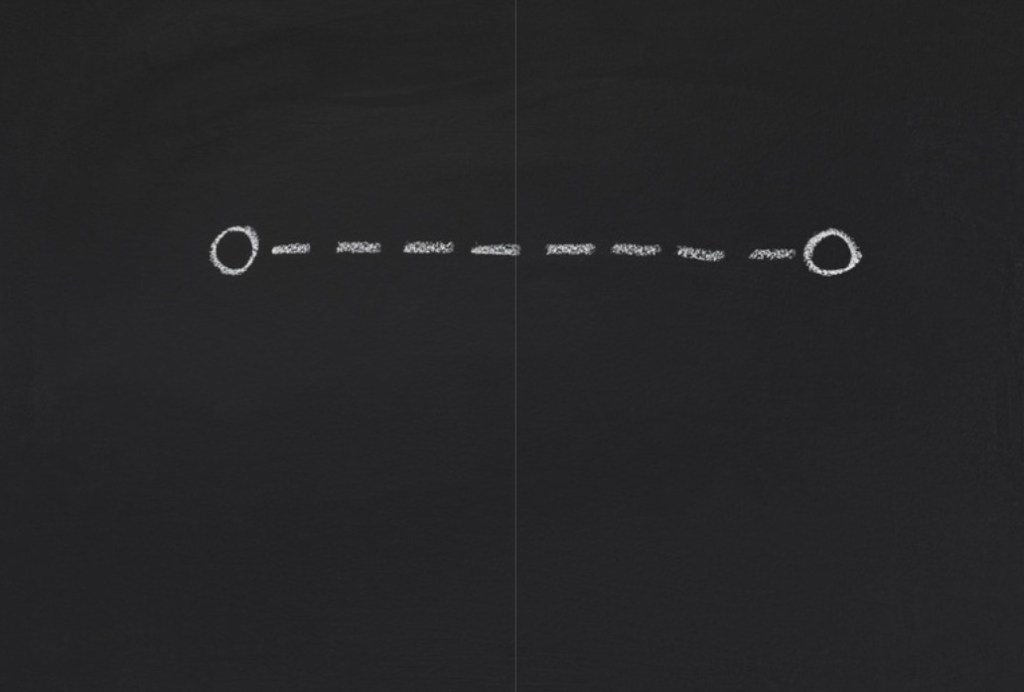


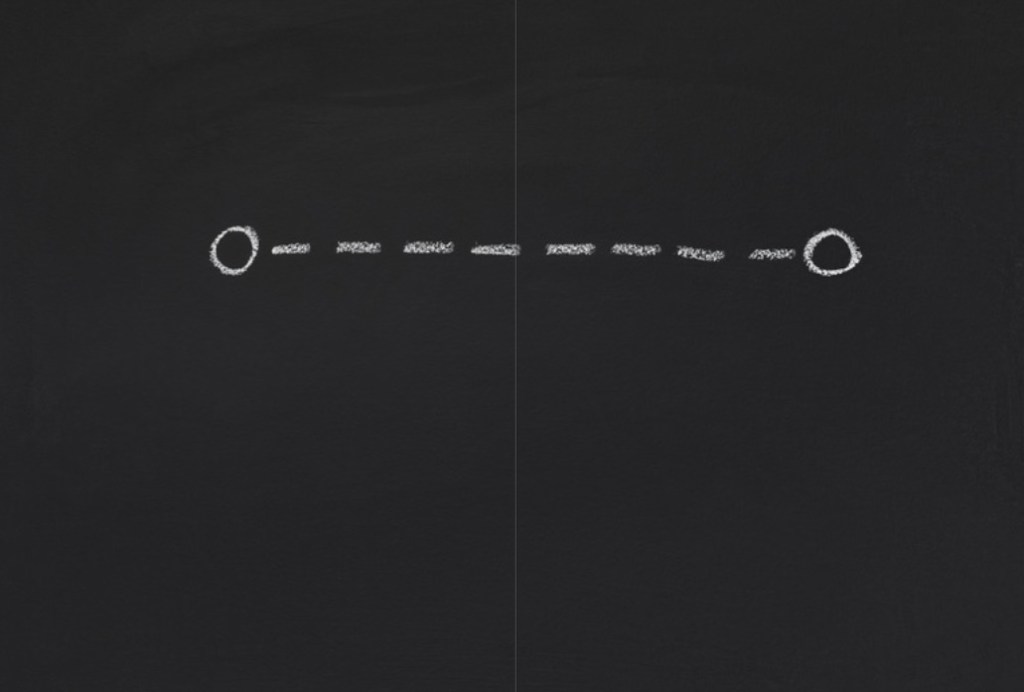















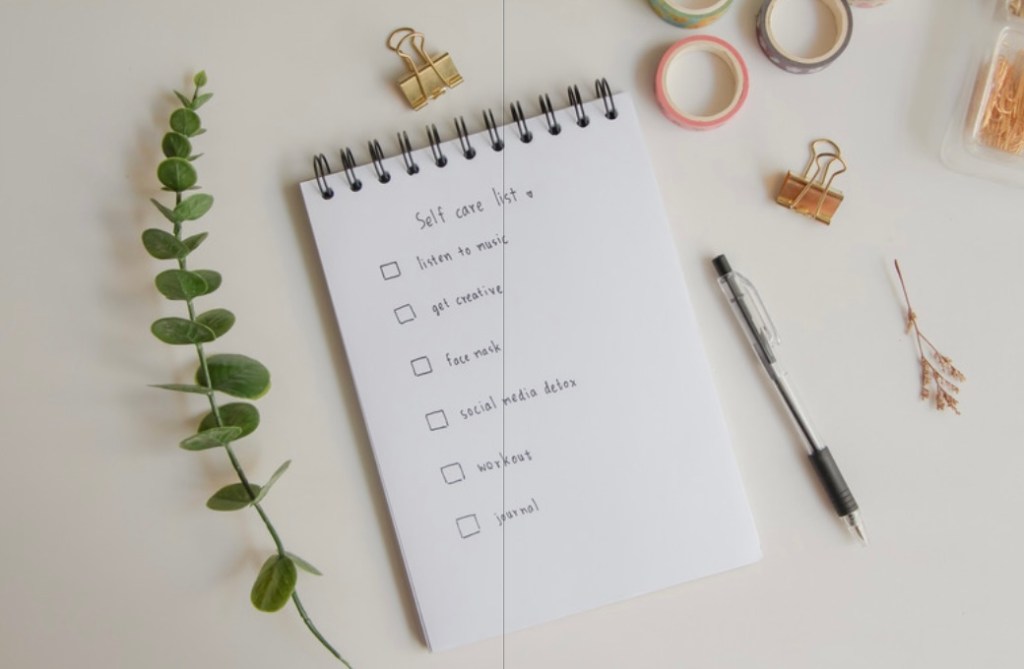








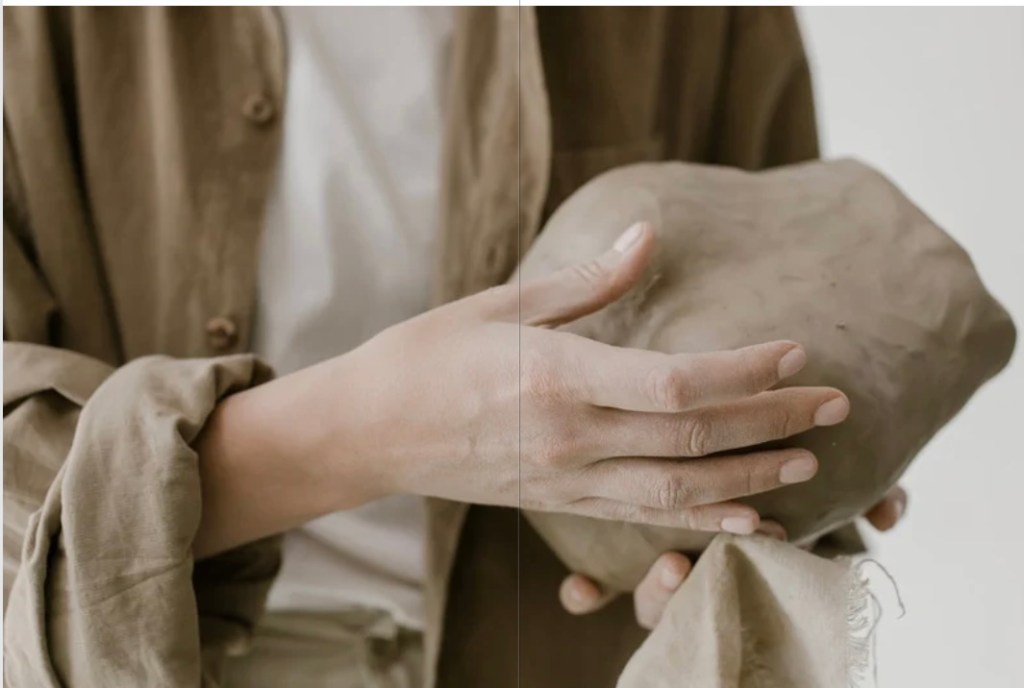











































 Self Discoverly