
PART ONE: UNDERSTANDING DESIRE, TOLERANCE AND BELIEF
There is a way that you can decipher what you truly desire. Many sages and teachers have written about it.
“The desire for safety stands against every great and noble enterprise.” Tacitus
“Too many of us are not living our dreams because we are living our fears.” Les Brown
“Man cannot discover new oceans until he has the courage to lose sight of the shore.” Andre Gide
“Everything you ever wanted is on the other side of fear.” George Addair
DESIRE–THE OTHER SIDE OF FEAR
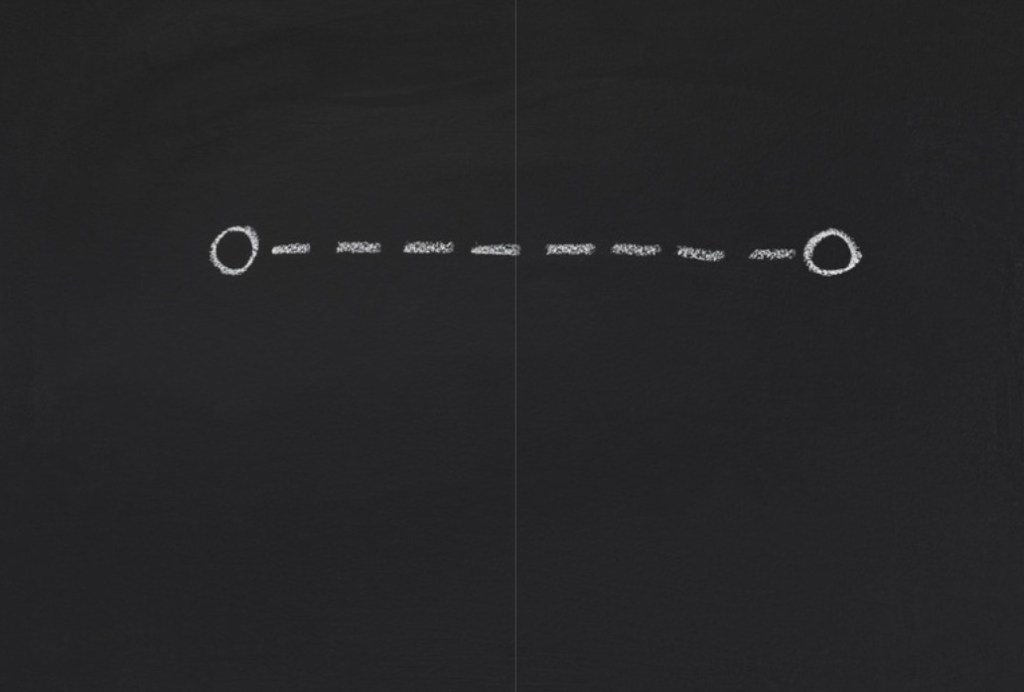
I want you to imagine that there is a line, similar to a number line that has two ends. Each end is an extreme. On one end is desire and on the other end is no desire. We can use this line to determine our desire on any given topic. For each topic, the line will look different. For example, we may have a strong desire to eat junk food, but a low desire to eat healthy food. Similarly, we may have a very low desire to go to work, but a very high desire for money–the high money desire propelling us to work. When we understand the continuum and how several desires and non-desires can be all interconnected such as our desire to work and have money, we can begin to gain greater self-consciousness and with that increased consciousness have more dominion over our lives and life choices.
UNDERSTANDING DESIRE
Desire is the longing within us to have or acquire something important to us. We can determine our true desire on any given topic by determining its opposite. If I want to discover what my true desires are, I need only list what my true fears are. Once I know my fears, I’ll know my desires as desires are always fear’s opposite. For example, if I fear losing my job, then I have a genuine desire to keep my job. If I fear not having enough money, then I want to have enough money (notice I did not say that I want to have more money. What we fear also informs us of what we believe. If I believe that I do not have enough money, then I cannot suddenly shift my mindset to have an abundance of money. My fear is requesting that I have “enough” money and so my only desire is enough.). Once we gain understanding of this concept we will simultaneously gain wisdom on the link between beliefs and desires. If there is a desire that we have and we are not getting it, 9 out of 10 times the problem is to do with our beliefs.
BELIEVE TO RECEIVE

If I believe that I am going to get a particular job, chances are I’ll get the job. My belief in my getting the job may be rooted in my personal experience with the skill set, with my ability level in comparison to other candidates, with my self-confidence, with my work history, with my qualifications, etc. Belief is linked to knowledge and understanding. The more that I know and understand about any subject, the more I will believe in my ability in that subject. If I have studied plants and botany all my life, there is a high chance that I know a great deal more than the average person on the subject of plants and botany. If I have a sincere desire to get something AND I believe that I will get it, then I will likely get it.
THE ROLE TOLERANCE PLAYS IN DESIRES

If we can return to the desire line for a moment, there is one more thing that plays a critical part in where our desire falls and that is tolerance. When we talk about subjects such as emotional feeling, coping, stress management, pain, healing…we must understand that even when we desire developing better anger management skills, for example, we have to understand that we can have a burning desire to develop anger management skills and have a fear that if we do not develop anger management skills something horrible will happen and still not be able to increase our anger management skills. This is because our tolerance level for coping with emotions is low. If we are unable to manage our anger it is because we are unable to manage the underlying emotions that trigger our anger to begin with. And so to accomplish our desire of increasing our anger management skills, we first have to discover our tolerance level and then learn how to increase our tolerance level so that we can achieve our desire of increasing our anger management skills. Oftentimes the reason that we do not get our desires is because we fail to understand the interlinking parts of the whole such as how tolerance plays a critical role.
ANOTHER PLOT LINE
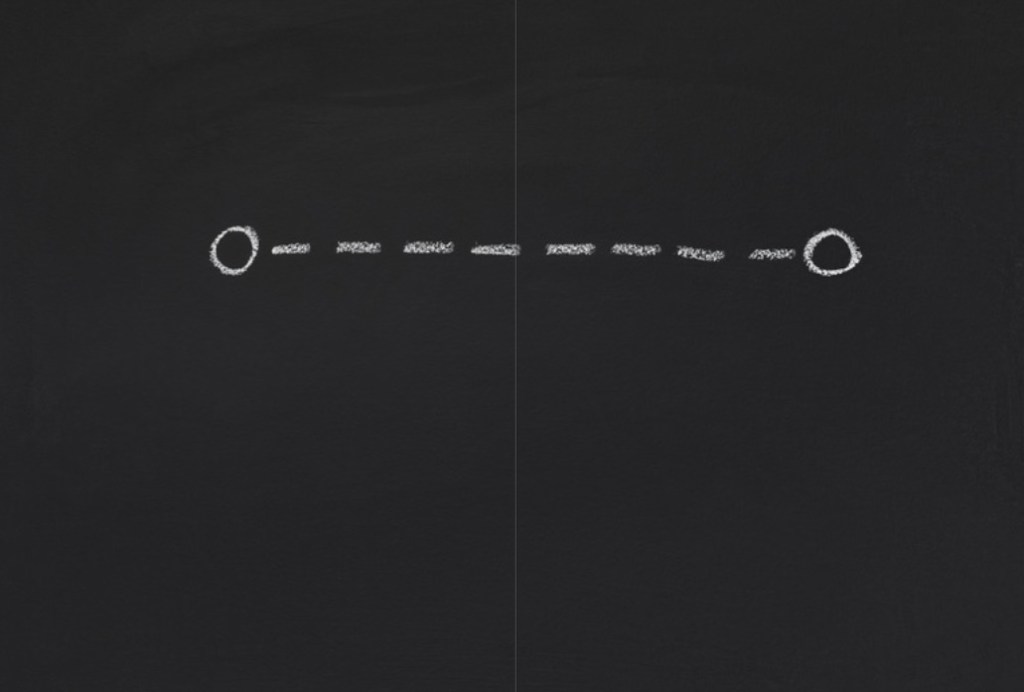
Let’s consider this plot line to help with understanding. If I look at my desire line through the lens of my ability to manage my anger on a tolerance continuum, what I am looking to discover is how long can I tolerate triggering before I become angry. Once we determine where we are on the spectrum, then we can zoom the lens in more to study what is happening beyond our threshold that leads to the loss of anger management. If I am plotted right in the middle of the tolerance plot line for anger management, that means that when life gets super stressful, when there are too many demands, when the pressure gets too great, I snap and can no longer manage my anger. That means if my goal is to manage my anger, I cannot expose myself to anything above this threshold. It means that I need to structure my life in a way that supports where I am on the continuum. This exercise also informs me of exactly the things that I need to work on and develop in order to increase my ability to manage (and cope with) the feelings that lead to anger. But first, I must be where I am. If we are not where we are, we can never get to where we want to go. What we resist, persists.
PART TWO: THE ROLE WE ALL PLAY IN SOCIETAL WELLNESS

WHY UNDERSTANDING PEOPLE IS THE KEY TO CHANGING THE WORLD
Most people do not look at others as they are. They do not consider the fact that the people that do “bad things” may simply lack the anger management or coping skills needed to refrain from acting out. What is more, they may not have ever had someone in their life who recognized this early on and who understood them enough to protect them from acting out while they acquired the skills and tools they needed. Once we understand how our emotional system works including this desire/fear continuum and tolerance continuum we can use this information to develop these skills and tools in ourselves and then help others develop these skills and tools. When we can see the truth in another, we can simultaneously understand that our own emotions and behaviors play a pivotal role in their responses because when we understand how triggering works, we understand that we have the power to see others clearly and give a powerful gift to them of respecting their nervous system and meeting them where they are. As we do this, more and more people will be able to exist as they are and through our conscious presence increase their own skills and tools of tolerance and things like anger management. It is because people with lower tolerance levels are triggered that they react and that leads to worse case scenario outcomes.
WILL AND AGENCY

In our culture, so much emphasis is on will and agency. We claim that everyone has choices and when people make bad choices they had control over that “bad choice.” I disagree. Now I may be a complete outlier on this subject, but I stand by my opinion. If a person is triggered beyond their threshold, they lose all ability to manage their behavior. If they are unconscious of things like desire and tolerance continuums, nervous systems and the inner child concept, coping and stress management skills, etc., then they have no knowledge to choose differently. When someone presents like this, their nervous system is that of an infant or very young child. When a toddler acts out–be it biting, hitting, punching–nobody imprisons the child or presses charges. That is because the toddler simply does not understand concepts like self-control, anger management, coping, etc. For one, their brain is so underdeveloped that they do not even have the capacity to comprehend our words to try to teach them. Instead, with toddlers, the protocol is usually to restrain them or remove them from the environment. We may take a toy away if the toy is the object being used to strike another. We may use simple phrases like “no,” or “not ok,” but as a whole, we understand that the toddler is unaware of his actions and we treat him as such. But somehow, chronological age miraculously changes what we determine a person knows. Just because someone turns 18 does not mean that their nervous system has turned 18. As someone who can see the chronological age of other people’s nervous systems, I can tell you that the majority of people walking the earth do not possess an 18 year old nervous system. And certainly not on every subject! What we as a society need to do when we witness our peers struggling with anger management, stress management, coping, etc. is to recognize that this is a nervous system issue that needs nurturance as we would nurture a toddler. We do not need to treat them like a toddler–their brain is 18–it’s their nervous system that is underdeveloped. What is more, these behaviors are present very early on in the child’s life and should be addressed then. It is because young children never receive the proper interventions that they need that the problem becomes chronic. And when it becomes chronic, instead of recognizing that we as a society have failed this person, we project all the responsibility onto the offender. Until society is willing to take responsibility as a whole there is no grounds for change.
WE CANNOT MAKE SOMEONE MATURE THEIR NERVOUS SYSTEM

Restriction is something that we use when we recognize that someone is not interested in taking the steps to gain insight into why they are behaving the way they are behaving and to keep others safe. When a toddler acts out, sometimes we remove them from the environment to keep others safe. However, I do not believe that a life imprisonment scenario is the right approach to rehabilitate a human being. If someone struggles to keep themselves or others safe, then yes, they have to be restricted, but as they are restricted, a conscious, present team who understands these concepts, who has the perception to see the person clearly who can gauge their nervous system age and meet the person where they are will enable the restricted person to experience a polar of what they’ve experienced all their lives and in time, their nervous system will first come out of fight/flight/freeze and second begin to feel safe enough to absorb new insights and experiences (one being the presence of the other person). Science proves that our brains can be rewired. And learning happens at the brain level. Absorbing new insights happens there. Behavior happens at the nervous system level. That means that a person must learn the skills and tools intellectually before they can apply them emotionally. But they first have to be in an emotional receptivity level before they can absorb new skills and tools intellectually. Ideally, this learning begins to be implemented at the young child level and in time we can eliminate imprisonment altogether, but as we are right now, this is the most ideal situation.
THE IMPORTANCE Of CONSCIOUSNESS

While we are in the infant stages of the consciousness movement, more and more people wake up everyday. Our collective consciousness is increasing and with that more conversations like this one are beginning to be had. When we understand things like desire and tolerance continuums and can grasp the logic of it, we can also see how change must happen within our systems and structures if we are to evolve in a manner that leads to a holistically healthy society for all. Right now we are recognizing that discrimination is still a problem in 2023, that the accommodation system for disabled is poor and ineffective, that education is not a one size fits all undertaking and that true freedom can only exist where we are able to choose for ourselves the path we wish to take and that can only happen with ample opportunity that is accessible to all.
FINAL THOUGHTS

When a soldier returns from war, it is considered “normal” if he experiences flashbacks, triggers to noises similar to gun shots or bombs, and demonstrates acting out behaviors as a result. We call this PTSD or Post Traumatic Stress Disorder. And in many cases, we compensate the soldier with disability payment so they can meet their needs without having to work. We recognize the experiences they witnessed have altered their nervous system to the degree that they need financial support, yet when everyday people in our society witness their own horrors and act out as a result, we offer no such support. I often wonder if those who committed crimes may have not committed those crimes if they had the right supports and opportunities in place. When we can see people’s humanity we can also see their pain and backstory. Not everyone has the same privileges and opportunities. When the average suburban kid graduates college or gains education in their preferred field, they often go on to judge those less fortunate’s decisions. They perceive through privilege and make conclusions based on their own insights and intellectual understanding. They are oblivious to the fact that they are privileged to begin with. Having taught for more than 30 years, one thing I know for sure is that learning and the nervous system are interconnected. If a child’s nervous system is in fight/flight/freeze, there is no learning that will take place. If a child is stuck in survival mode all their lives, there is no way that they are absorbing the education they need to develop their nervous system and gain the skills and tools they need to thrive. Until our society understands the links between desire, tolerance, belief, and conscious intervention, we cannot evolve because evolution can only happen when everyone is moving forward. It costs nothing to be kind, Discoverlies!
Much Love!!

 Self Discoverly